Title: Structural Insights into Plastic Mold Moving and Fixed Halves with Overmolding Process Essentials
August 10, 2026
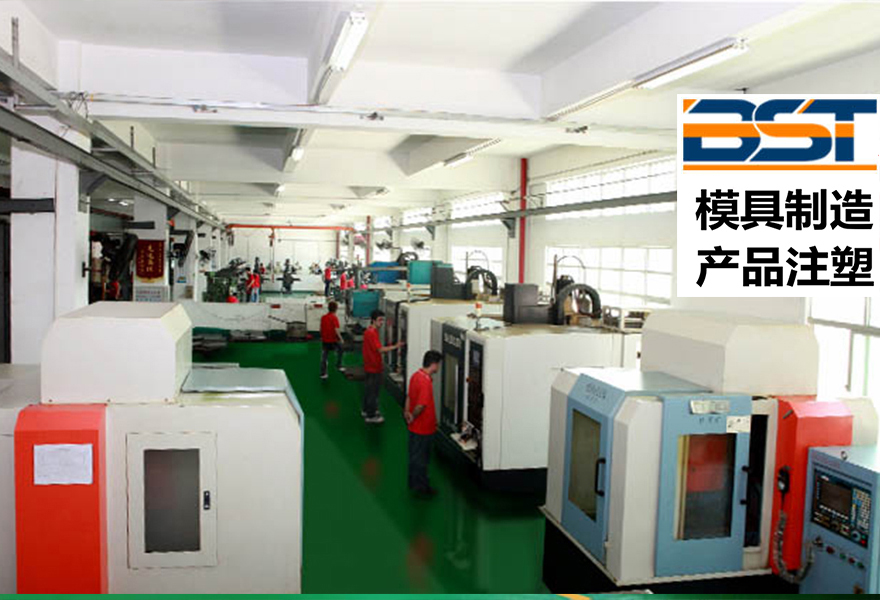
In plastic injection molding, the distinction between the moving half (ejection side) and the fixed half (nozzle side) is fundamental to part quality and cycle stability. The moving half typically houses the ejection system—ejector pins, sleeves, or lifters—and is responsible for part release, while the fixed half contains the sprue bushing, runner system, and often the core side of the cavity. For parts with deep undercuts or side actions, the moving half must also accommodate slides or hydraulic cores, which increases machining complexity. A common rule of thumb is to place the majority of the cavity detail on the fixed half to reduce ejection friction, but this must be balanced against gate location and weld line risk. Proper venting (0.02–0.05 mm depth) along the parting line is critical to avoid trapped gas, especially in high-speed filling of thin-wall sections.
Overmolding, or two-shot molding, adds another layer of control. The key is to design the substrate (first shot) with mechanical interlocking features—undercuts, ribs, or through-holes—so that the overmold (second shot) forms a positive bond without relying solely on chemical adhesion. For thermoplastic elastomers (TPE) over rigid plastics, the melt temperature of the overmold should be at least 20–30°C above the substrate’s heat deflection temperature to promote surface fusion. Real-world data shows that a 0.3–0.5 mm minimum overmold thickness is required to prevent sink marks, and the substrate surface should be roughened (Ra 0.8–1.6 µm) to enhance mechanical grip. Also, the mold must be equipped with a rotating platen or a transfer system to move the substrate between cavities, which demands precise alignment within ±0.01 mm to avoid flash or short shots.
From a production standpoint, mold temperature control is non-negotiable. For overmolding, the mold surface temperature should be held at 40–60°C for the first shot and 50–70°C for the second, depending on the polymer pair. Cooling time typically accounts for 60–70% of the total cycle, so conformal cooling channels near the overmold interface can reduce cycle time by up to 20%. Also, consider that the ejection system must handle the combined shrinkage of both materials; differential shrinkage can cause part warpage, so use a 1–2° draft angle on all vertical walls. For engineers sourcing molds or overmolding services, it is wise to verify the toolmaker’s experience with two-shot machines and their ability to simulate flow front advancement. For more detailed mold sourcing and process troubleshooting, visit MoldWorld (www.moldw.com) for a comprehensive directory of mold makers and technical articles.