Title: Plastic Mold Structure and Process Essentials Every Mold Engineer Must Master
August 08, 2026
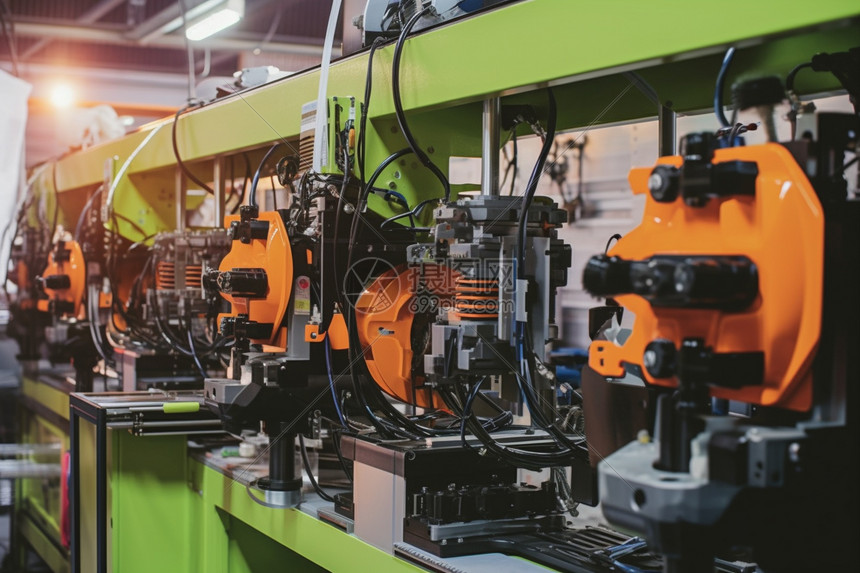
When quoting or designing a plastic injection mold, the first thing I look at is not the part shape but the gate location, parting line, and ejection system. These three elements determine roughly 60% of the mold cost and most of the cycle time risks. For a typical two-plate mold, the parting line must be placed on a flat, unobstructed surface to avoid flash and simplify steel finishing. If the part has deep ribs or bosses, you need to check the draft angle—0.5° minimum for polished steel, but 1° to 1.5° is safer for textured surfaces. A common mistake is ignoring the shrinkage rate: for ABS it is 0.4–0.7%, for POM it is 1.8–2.2%, and for PA66 with 30% glass fiber, it can reach 0.3–0.5% in flow direction but 0.8–1.0% transverse. Misjudging this alone can cause a rejected first article and a full rework of the core and cavity inserts.
On the process side, the melt temperature and mold temperature windows are non-negotiable. For PC, you need a melt temperature of 280–320°C and a mold temperature of 80–120°C; if you drop below 70°C, you get visible flow marks and internal stress cracks. For PP, 200–240°C melt and 20–60°C mold are typical, but thin-wall parts (under 1.0 mm) require a higher injection speed and a mold temp above 50°C to avoid short shots. The holding pressure should be set at 50–70% of the injection pressure, and the holding time is usually 2–4 seconds per millimeter of wall thickness. Cooling time is the biggest cycle thief—for a 2.5 mm wall, cooling alone takes about 15–20 seconds in a standard water-cooled mold, but you can cut that by 30% using conformal cooling channels, especially near the core side where heat concentrates.
From a quoting perspective, always separate the mold base cost from the insert cost. A standard 2525 mold base runs around $800–$1,200, but the real money is in the inserts: hardened S136 or 718H steel, with a hardness of 48–52 HRC, will cost 2–3 times more than pre-hardened P20. If the part has tight tolerances (±0.05 mm) or a mirror finish, you need to add polishing and a second set of inserts for spare. Also, side actions and lifters add 15–25% to the mold price per action, and each action adds 3–5 seconds to the cycle. For a serious quote, always include a mold flow analysis—it costs $200–$500 but saves you at least one trial-and-error iteration. For more detailed mold sourcing and cost breakdowns, visit MoldWorld at www.moldw.com.