Common Injection Molding Process Parameters for Engineering Plastics: A Practical Reference
August 08, 2026
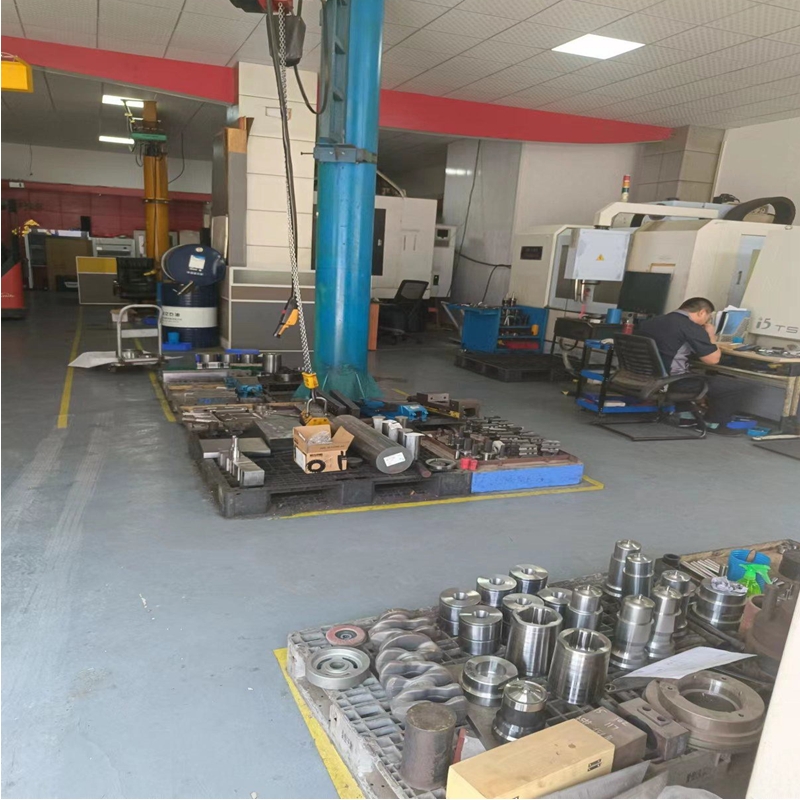
In daily mold shop operations, the difference between a stable production run and a scrapped batch often comes down to how well the process parameters match the polymer’s rheological and thermal behavior. For ABS, a typical melt temperature window of 210–250°C with mold temperature at 40–80°C is recommended, but the real trick lies in balancing injection pressure (70–120 MPa) and holding pressure (50–80% of injection pressure) to avoid sink marks without causing flash. For polycarbonate (PC), the melt temperature should be pushed to 280–320°C, and the mold must be kept at 80–120°C to reduce internal stress and prevent cracking. Drying is non-negotiable: PC requires a moisture content below 0.02%, usually achieved by 4 hours at 120°C in a dehumidifying dryer. Ignoring this leads to silver streaks and brittle parts, regardless of how clean the mold is.
When moving to semi-crystalline materials like nylon (PA66) and POM, the cooling stage becomes the dominant factor. PA66 with 30% glass fiber typically runs at melt temperatures of 280–300°C, mold temperature of 80–90°C, and a holding time of 2–3 seconds per millimeter of wall thickness. The shrinkage rate is anisotropic due to fiber orientation, so the mold designer must account for a 0.5–1.0% differential shrinkage between flow and cross-flow directions. POM, on the other hand, degrades easily above 230°C, releasing formaldehyde gas—so the melt temperature should be kept at 190–220°C, and the screw speed reduced to avoid shear heating. A common mistake is using a high back pressure (above 10 MPa) on POM, which causes the material to burn and deposit carbon on the mold surface, leading to frequent polishing downtime.
For high-performance thermoplastics like PEEK and LCP, the process window is narrow, and the mold must be heated with a cartridge or oil heater, not just water. PEEK typically requires a melt temperature of 350–390°C and a mold temperature of 160–200°C to achieve crystallinity above 30%, which directly impacts chemical resistance and mechanical strength. LCP, due to its highly ordered molecular chains, flows extremely well but has a sharp freezing point—so injection speed must be fast (fill time under 0.5 seconds) and the gate size enlarged to prevent jetting. In all cases, the cavity pressure profile should be monitored with a sensor: a peak pressure drop of more than 15% from first shot to stable cycle indicates material degradation or moisture pickup. For more detailed parameter tables and mold design tips, visit MoldWorld (www.moldw.com) for sourcing and technical support from experienced toolmakers.