Injection Molding Process Fundamentals and Cost Control Strategies for Mold Engineers
August 08, 2026
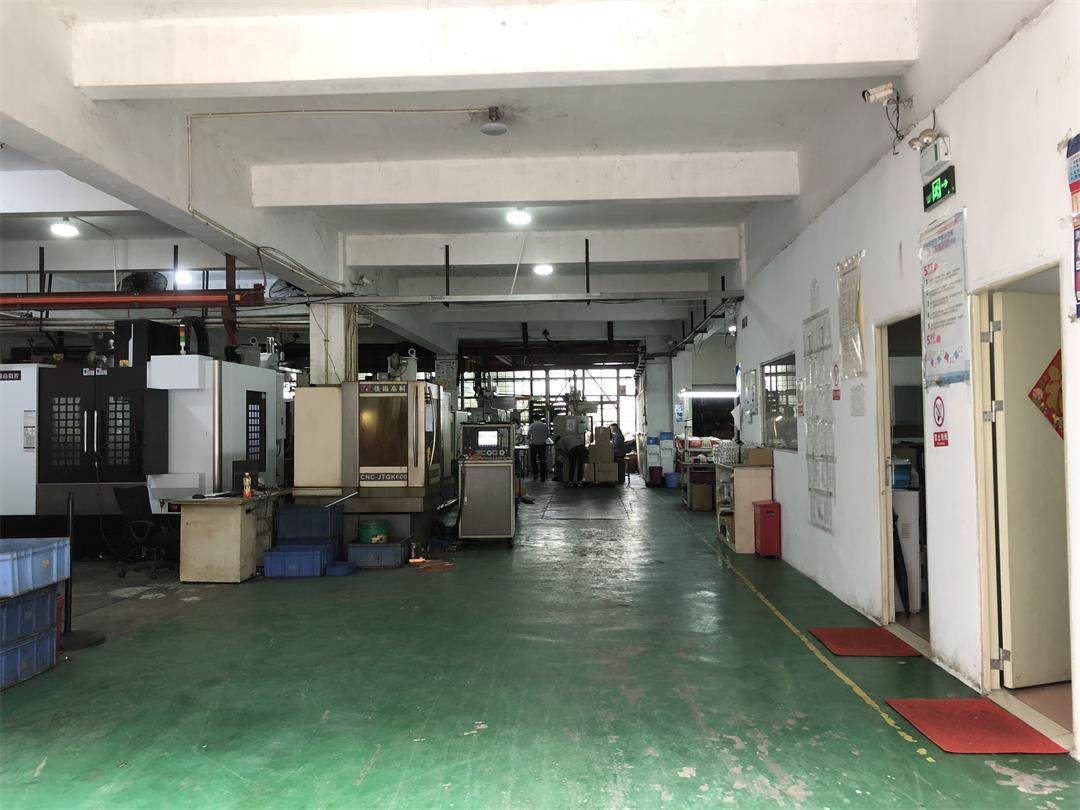
Injection molding is not just about filling a cavity—it’s a delicate balance of pressure, temperature, and time. The underlying logic starts with melt viscosity, which directly responds to shear rate and temperature. For semi-crystalline resins like POM or PA66, mold temperature control is critical; a 10°C increase in mold temperature can reduce surface gloss variation by up to 15% but may extend cycle time by 5–8 seconds. Similarly, packing pressure should be set at 70–90% of the injection pressure, and holding time is typically 0.5–1 second per millimeter of wall thickness. Ignoring these windows leads to sink marks, warpage, or flash—each defect adding 3–5% to scrap costs on a typical production run.
Cost control in injection molding begins at the design stage, not on the shop floor. Wall thickness uniformity is the single most influential factor: a 0.2 mm increase in nominal wall thickness can raise part weight by 8–12%, directly inflating material cost. Rib design should follow the 0.5–0.6 times base wall thickness rule to avoid sink, and gate placement must balance flow length to minimize pressure drop. For a 500-ton machine running at 85% utilization, every 1-second reduction in cooling time saves roughly 1.2% in total production cost per shift. Molders should also track cavity pressure curves to fine-tune the switch-over point—this alone often cuts cycle time by 3–5% without sacrificing dimensional stability.
Beyond process tuning, smart mold maintenance and material selection drive long-term savings. Using P20 steel for prototype molds and H13 with nitriding for high-volume runs (above 500,000 cycles) reduces per-part tooling cost by up to 40%. Regular checks on vent depth—typically 0.02–0.03 mm for engineering plastics—prevent burning and reduce cleaning downtime. Also, consider regrind ratio: keeping it below 15% for structural parts preserves impact strength while lowering resin spend. For a comprehensive breakdown of mold sourcing, steel grades, and cycle-time benchmarks, visit MoldWorld (www.moldw.com) for verified supplier listings and technical comparison tools.