Mold Structure and Process Knowledge: The Real Foundation of Every Mold Engineer’s Career
August 07, 2026
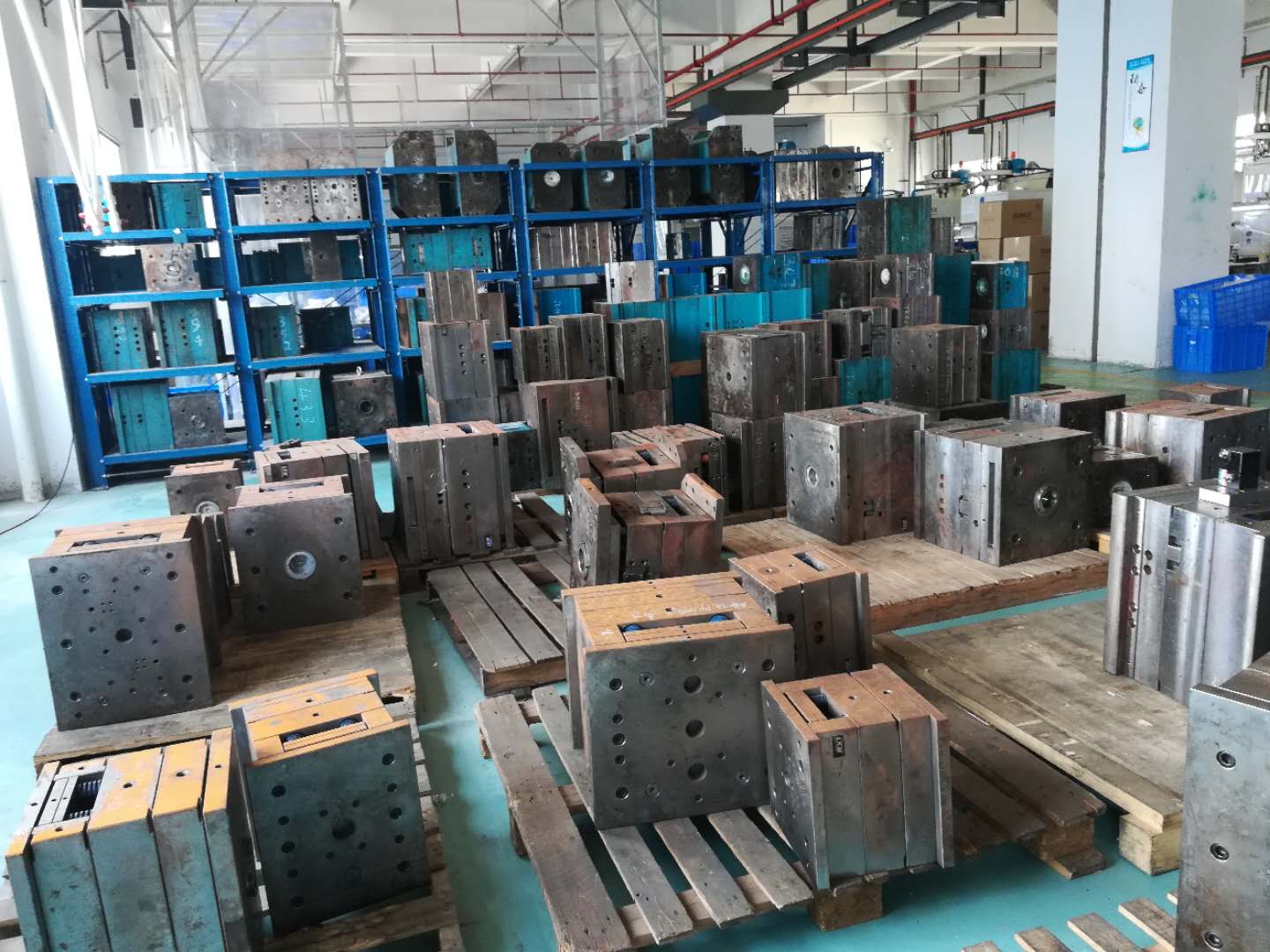
In the mold industry, there is a saying that holds true the longer you stay in the trade: mold design is never just about drawing a 3D model. A competent mold engineer must balance product requirements, manufacturing processes, material behavior, and even future maintenance accessibility. For injection molds, the gate location and cooling channel layout are classic examples—seemingly minor details that can cause catastrophic issues like shrinkage, warpage, or trapped gas burning if not handled correctly. These are not theoretical concerns; they show up on the shop floor as rejected batches and unplanned downtime. Over years of practice, you learn that a robust mold structure is the single most decisive factor in achieving stable cycle times and consistent part quality.
Take gate placement, for instance. A poorly positioned gate can lead to unbalanced filling, excessive shear stress, or weld lines that compromise part strength. Similarly, cooling channel design is often underestimated. A mold with uneven cooling will produce parts with differential shrinkage, leading to dimensional instability and longer cooling cycles—directly eating into your productivity. Experienced engineers know that cooling channels should be positioned based on the part’s thermal load, not just for machining convenience. The same logic applies to venting, ejection, and slide actions. Each element must be evaluated against the specific polymer’s flow characteristics and the production volume. In practice, this means running flow simulations, reviewing past mold trial data, and communicating closely with the toolroom—because a design that looks good on screen but fails in the press is a costly mistake.
What separates a seasoned mold engineer from a novice is the ability to anticipate problems before steel is cut. This includes considering how the mold will be maintained over its life—how easy it is to replace a worn insert, clean a blocked cooling line, or adjust a gate. These practical considerations extend tool life and reduce long-term operating costs. In today’s competitive market, where lead times are shrinking and quality demands are rising, investing time upfront in mold structure and process knowledge pays off exponentially. For more in-depth guidance on mold design, material selection, and sourcing reliable tooling partners, visit MoldWorld at www.moldw.com—a dedicated resource for mold professionals seeking practical, field-tested information.