Plastic Mold Dynamic and Fixed Half Structures: Key Considerations for Overmolding Processes
August 05, 2026
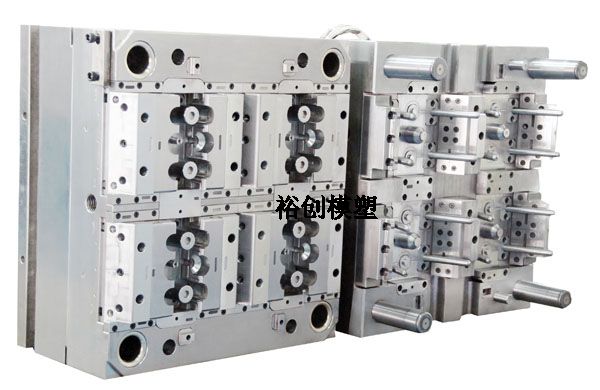
In any plastic injection mold, the split between the moving half (dynamic side) and the fixed half (stationary side) is more than a mechanical convenience—it defines the entire ejection and cooling strategy. The fixed half typically carries the sprue bushing, locating ring, and the cavity side that faces the nozzle, while the moving half houses the core, ejector pins, and often the side-action mechanisms. For molds with deep ribs or undercuts, the dynamic side must also accommodate lifters or sliders, which means the parting line selection directly affects draft angles and surface finish. A common rule of thumb we apply on the shop floor: keep the majority of the part geometry on the moving half to ensure positive retention during ejection, and always verify that the projected area on the fixed half does not exceed the clamping force available at the selected tonnage—otherwise, flash becomes inevitable at the parting line.
When it comes to overmolding (two-shot or insert molding), the interaction between the dynamic and fixed halves becomes even more critical. The substrate (first shot) must be fully cured and dimensionally stable before the second material is injected, but the mold temperature on the fixed half should be controlled within ±5°C of the recommended range—typically 40–80°C for TPE overmolds on rigid plastics. If the fixed half runs too cold, the bond between the two materials weakens; if too hot, the substrate may soften and deform under injection pressure. We also recommend adding mechanical interlocks or undercuts on the substrate surface, because chemical adhesion alone is rarely sufficient for parts exposed to cyclic loading or elevated service temperatures. For insert overmolding, the dynamic half must include robust locating pins and a sensor to confirm insert presence before each cycle—omitting this step is the leading cause of mold damage and scrap in automated cells.
Finally, venting is where many overmolding jobs fail silently. The second shot often traps air at the end of fill, especially around the substrate’s edges. We typically cut vents 0.02–0.03 mm deep on the fixed half, and 0.01–0.02 mm on the moving half where ejection forces are higher. If you see burn marks or short shots near the parting line, check the vent depth first before adjusting injection speed. Also, remember to specify a mold temperature controller with dual zones—one for each half—because the dynamic side loses heat faster due to ejection contact. For more detailed mold design guidelines, tooling quotes, or supplier comparisons, visit MoldWorld at www.moldw.com—a practical resource for sourcing molds and processing equipment.