Mold Quoting Essentials: What Every Mold Engineer Must Know Before Pricing a Job
August 05, 2026
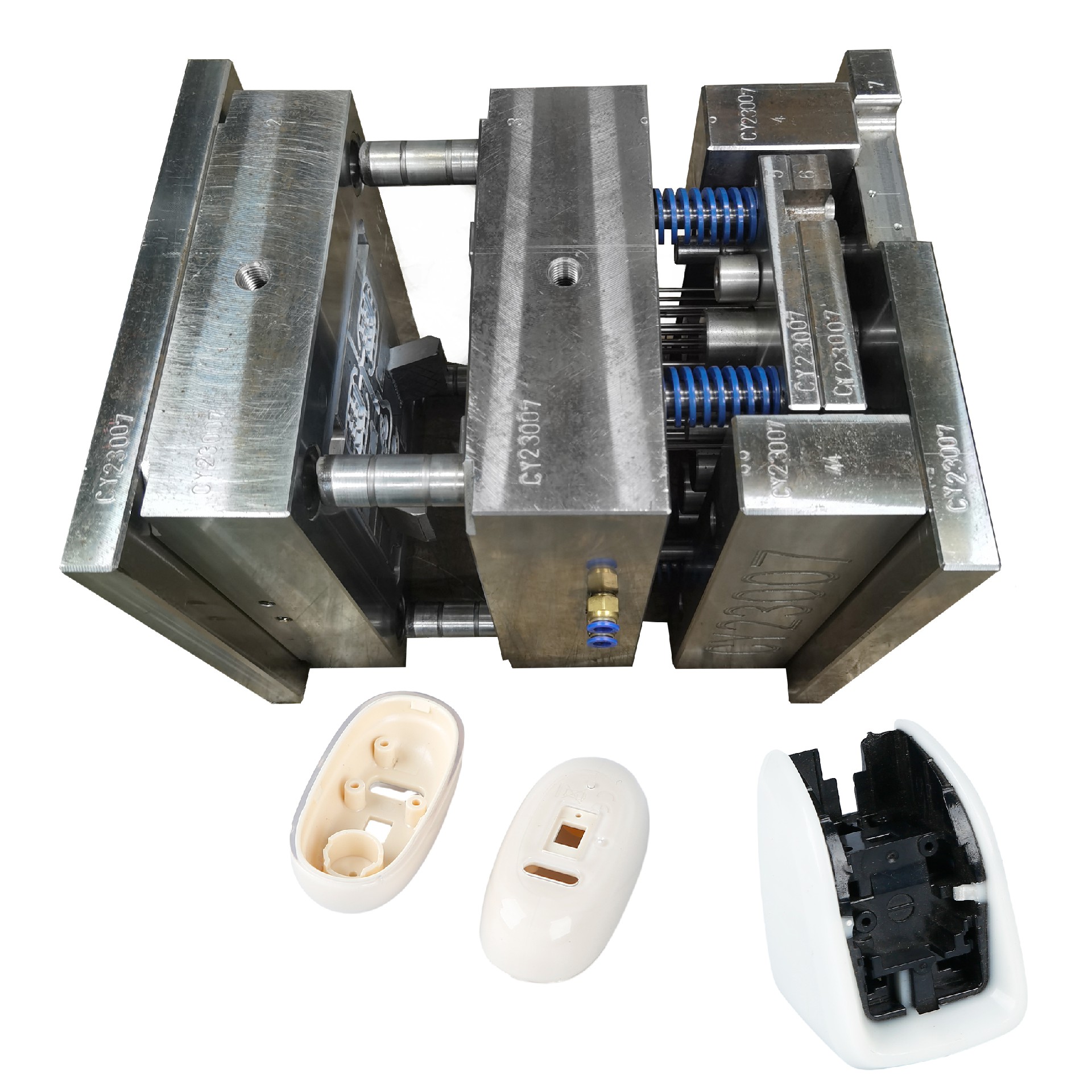
Injection mold quoting is far more than multiplying steel weight by a unit price—it’s a systematic breakdown of geometry, tolerance, and production risk. Before any quote leaves the desk, the mold engineer must classify the tool by cavity count, steel grade, and expected lifespan. For a typical production mold, P20 steel suits runs under 100,000 shots, while S136 or H13 becomes mandatory for abrasive or corrosive resins, often pushing material cost up by 30–50%. The gate type, cooling layout, and ejection mechanism also directly affect cycle time and maintenance, so a quote that ignores these variables will either lose money or lose the customer. A solid rule of thumb: allocate 15–20% of the total mold cost to cooling design, because a 10-second cycle reduction on a 500,000-run job can justify a significantly higher upfront tooling price.
Beyond the physical tool, quoting must factor in mold base standards, hot runner systems, and surface finish requirements. A standard DME or HASCO base might cost $2,500–$4,000, but a custom base with guided ejection and wear plates can double that figure. Hot runner systems, especially valve-gate types for cosmetic parts, add $8,000–$15,000 per mold but reduce scrap and cycle time—so the quote should present both upfront cost and per-part savings. Texturing (e.g., VDI 24 vs. SPI A-2) changes polishing hours significantly; a mirror finish on a large cavity can add 40–60 hours of bench time. The mold engineer must also include trial shots, steel shrinkage compensation, and dimensional reports in the quote, as these are often understated by less experienced shops. A common industry benchmark: quoting 5–8% of the total mold price for sampling and testing is realistic, not generous.
Finally, the quote should clearly define payment terms, revision limits, and warranty scope—typically 1 million shots or 12 months, whichever comes first. Mold maintenance costs (e.g., polishing, replacing ejector pins) should be estimated at 2–3% of the mold price per year for quoting spare parts or service contracts. For overseas sourcing, add logistics, customs, and potential rework travel costs, which can account for 10–15% of the total project budget. The goal is not to be the cheapest quote, but the most predictable one. A transparent breakdown of steel, components, labor, and testing builds trust and reduces post-award disputes. For more detailed mold sourcing checklists, cost comparison tables, and supplier evaluation templates, visit MoldWorld (www.moldw.com) for practical tooling resources.