Stamping Process Fundamentals: Practical Notes on Material Plasticity and Die Life
August 05, 2026
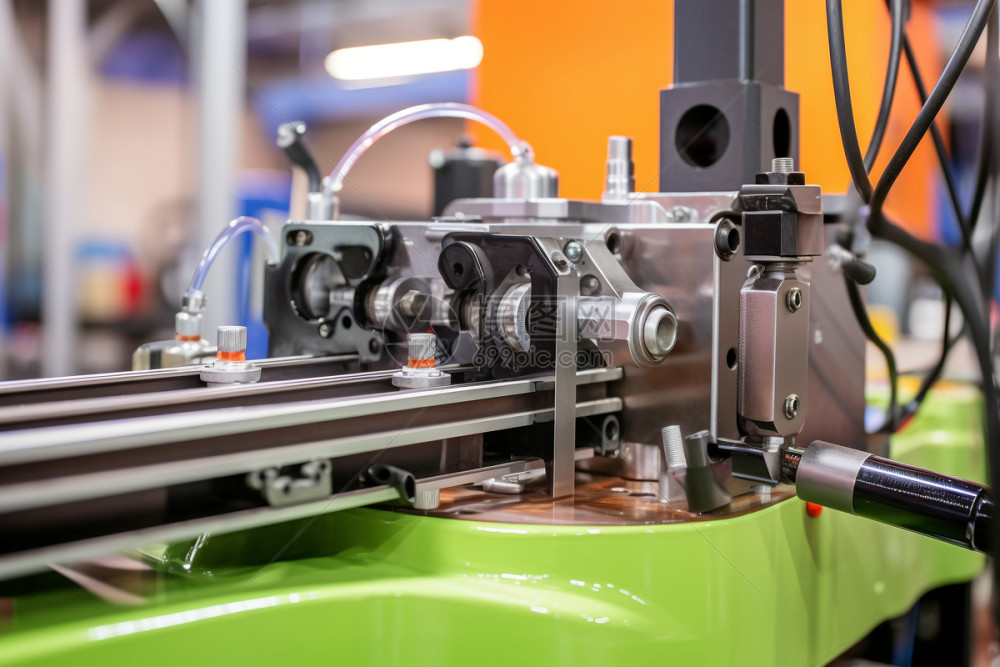
In stamping, the first thing we check is not the press tonnage but the material’s true stress-strain curve. For low-carbon steel like DC01, the yield strength sits around 210–240 MPa, and the elongation at break is roughly 28–32%. That elongation window tells us how much the sheet can stretch before necking. In practice, for a simple bending operation, we keep the bend radius above 0.5× material thickness—below that, the outer fibers crack. For deep drawing, we rely on the Lankford coefficient (r-value); for DC01, r is typically 1.6–1.8, which means the material thickens less and draws more evenly. If you see orange peel or ridging on the part, it’s usually because the grain size exceeded ASTM 8–9, so specify a finer grain in the steel mill order.
Die clearance is where most shops lose money without realizing it. For a 2 mm thick SPCC sheet, the recommended die clearance is 4–6% of thickness per side for blanking—so 0.08–0.12 mm per side. Too tight, and the punch wears fast, creating a secondary shear zone and burr height above 0.05 mm. Too loose, and you get a large rollover and a torn edge, which often leads to rework. We also monitor the punch-to-die alignment with a dial indicator every 500 strokes; a runout above 0.02 mm accelerates edge wear by up to 40%. For high-volume jobs, we switch to D2 or M2 tool steel with a hardness of 58–62 HRC, and we apply a TiN coating to reduce friction coefficient from 0.6 to 0.2—this alone can extend die life from 150,000 to over 400,000 strokes before the first regrind.
Lubrication and maintenance are the hidden levers. For stainless steel 304, we use a chlorine-free drawing oil with an extreme-pressure additive; the film thickness should be 2–5 microns. If you see galling on the die radius, increase the oil viscosity or switch to a polymer-based dry film. On the maintenance side, we do a weekly check of the die springs—if the free length has dropped by 5%, replace them, because uneven spring force causes misalignment and premature cracking. Also, keep a log of burr height per 10,000 strokes; when it exceeds 0.08 mm, it’s time for a touch-up grind, not a full rebuild. This routine keeps die life predictable and part quality stable. For more detailed stamping parameters and die maintenance schedules, visit MoldWorld at www.moldw.com—they have practical tables and case studies from real production lines.