Mold Costing Essentials: From Structure to Quotation
August 05, 2026
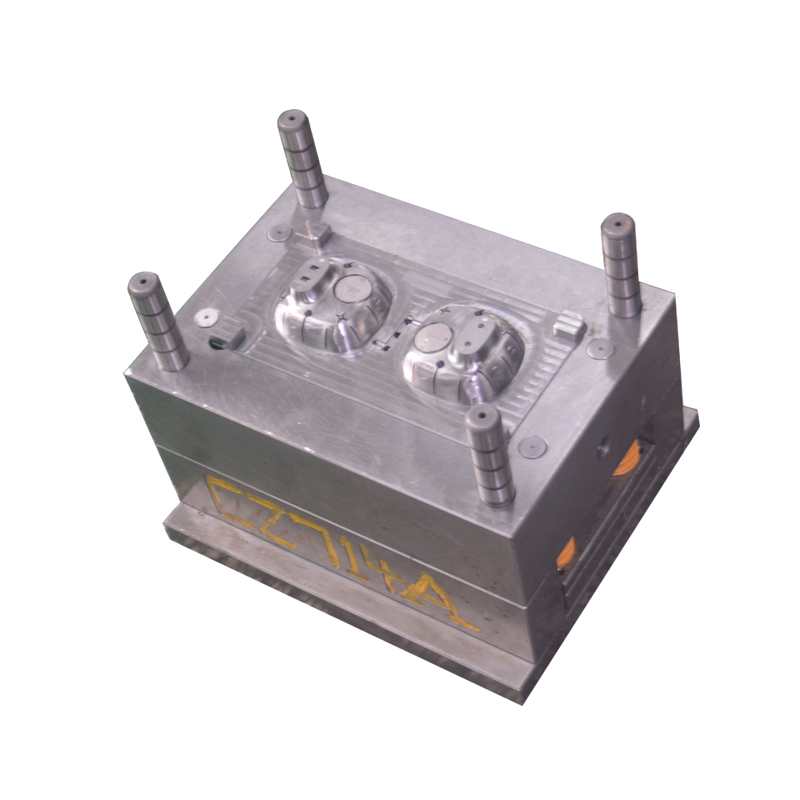
Understanding mold structure is the foundation of any accurate quotation. A typical injection mold consists of the mold base, core and cavity inserts, ejection system, cooling channels, and gating system. The mold base—usually made of standard grades like S50C or P20—accounts for roughly 30% of the total material cost. Core and cavity steel, often H13 or S136 with hardness above 48 HRC, directly influences tool life and cycle time. For a medium-sized part of 200×150×50 mm, a two-plate mold with a single cavity typically weighs 500–800 kg, and the base cost alone can range from $1,500 to $3,000 depending on the supplier and standard. Cooling channel design is not just a thermal issue—poor layout can add 10–15% to cycle time, which over a 500,000-shot run translates into significant per-part cost increases.
Quoting a mold requires more than summing material and machining hours. The real cost drivers are cavity count, surface finish, tolerance grade, and expected mold life. For example, a mold with a 300,000-shot life using pre-hardened P20 will cost roughly 20–30% less than one built with H13 and full heat treatment for 1,000,000 shots. Machining time is often estimated at 60–80 hours for a simple two-plate mold, but adding side actions or lifters can push that to 150–200 hours. EDM and wire-cut operations add another 15–25% to the total cost if deep ribs or tight internal corners are required. A practical rule of thumb: mold cost is typically 5–10% of the total part cost over the mold’s lifetime, but this ratio shifts dramatically if the mold is poorly maintained or the part design changes mid-project.
When preparing a quotation, always break down costs into four clear segments: design (5–10%), materials (25–35%), machining and assembly (40–50%), and tryout plus sampling (10–15%). Never underestimate the tryout phase—it often takes 3–5 iterations to hit dimensional and cosmetic specs, and each iteration costs $200–$400 in machine time and material. Also, factor in the cost of mold trial reports and any minor steel modifications, which are rarely covered by the initial quote. For engineers sourcing molds overseas, always confirm the steel grade certificate and heat treatment report before payment. For more detailed mold sourcing and cost benchmarking data, visit MoldWorld (www.moldw.com) — a practical resource for comparing supplier quotes and technical specifications.