Common Injection Molding Process Parameters for Everyday Plastics: A Practical Reference
August 04, 2026
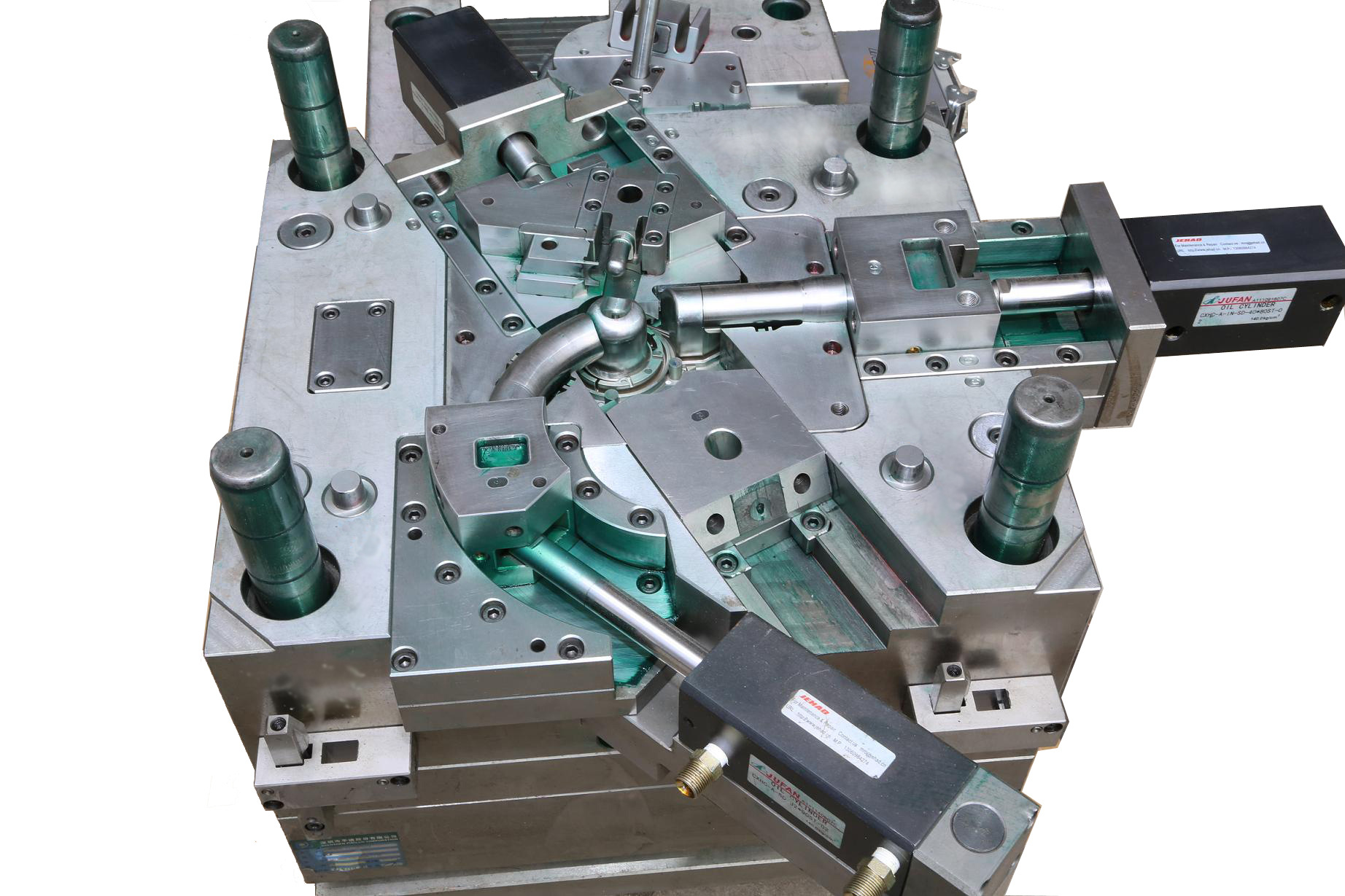
Getting process parameters right is half the battle in injection molding. For general-purpose plastics like ABS, PP, and HIPS, the melt temperature window is relatively forgiving—ABS typically runs between 200–240°C, PP at 190–230°C, and HIPS at 180–230°C. However, mold temperature is where many shops lose control. For ABS, a mold surface temperature of 40–80°C is recommended, but if you’re chasing a high-gloss part, you’ll want to push toward the upper end. Injection pressure for these materials usually lands in the 60–100 MPa range, with holding pressure at 50–70% of that. The key is to watch the pressure drop at the switchover point—if it’s too steep, you’re likely packing too late or your gate is freezing off prematurely.
Engineering plastics demand more discipline. Nylon 6/6 (PA66) needs a melt temperature of 270–300°C, and the mold should be held at 80–120°C to ensure proper crystallinity and dimensional stability. PC, on the other hand, requires a melt temperature of 280–320°C and a mold temperature of 80–120°C, but its high viscosity means you’ll often need injection pressures above 120 MPa. A common mistake is running POM (acetal) at too low a mold temperature—below 80°C—which leads to warpage and poor surface finish. For POM, keep the mold at 80–100°C and use a slow injection speed to avoid gas trapping. Also, remember that drying is non-negotiable for PC and PA; even 0.1% moisture can cause splay and brittleness, so dry PC at 120°C for 4 hours and PA66 at 80°C for 4–6 hours before processing.
In practice, always start from the material supplier’s data sheet, then adjust based on part geometry and mold design. Thin-wall sections (below 1.5 mm) will require higher injection speed and pressure, while thick sections need longer cooling time and lower hold pressure to avoid sink marks. For glass-filled grades, reduce screw speed to minimize shear heating and fiber breakage. And don’t ignore the cooling stage—for most thermoplastics, 60–70% of the cycle time is cooling. If you’re seeing short shots or flash, check your clamp tonnage and venting before touching the melt temperature. For more detailed process windows and mold design tips, visit MoldWorld at www.moldw.com—it’s a solid resource for sourcing molds and comparing real shop practices.