Mold Base Selection and Split Surface Matching: The Backbone of Injection Mold Design
August 04, 2026
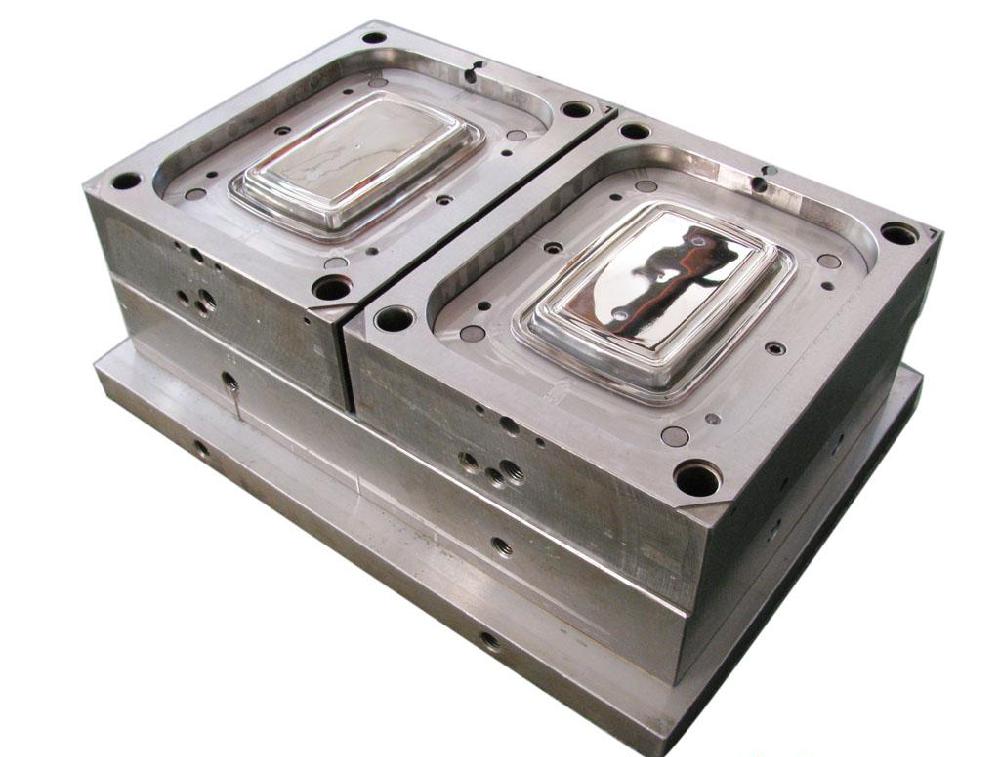
In practical injection mold design, the selection of a standard mold base is rarely a matter of preference—it is a calculated decision driven by part geometry, production volume, and press capacity. Standard series such as the Long Kee CI and BI types remain the go-to choices for two-plate molds, offering proven rigidity and straightforward ejection. For three-plate molds requiring point-gate automatic degating, fine-pitch series like DA or DB are preferred, as they incorporate an extra runner plate and pull rods to handle the additional opening sequence. On the other hand, simplified frames such as FC and FA are often specified for hot runner or large sprue systems, where compactness and cost efficiency outweigh the need for complex gating control. The mold engineer must weigh these options carefully—over-specifying a base drives up cost, while under-specifying risks deflection or premature wear.
Beyond frame selection, the split surface (PL) design must be synchronized with the chosen base. A mismatch here can lead to flash, uneven venting, or difficult part release, especially on tall cores or thin-wall components. For example, a deep-drawn housing with a stepped parting line demands a base with sufficient platen thickness and guide pillar clearance to avoid interference. Data from real shop-floor experience shows that standard bases, when properly matched to the PL, deliver a 20–30% longer service life compared to non-standard alternatives under identical molding conditions. Non-standard bases, while occasionally necessary for unusual inserts or side actions, come with longer procurement lead times—often 3–5 weeks versus 1 week for standard—and poor interchangeability during maintenance. Therefore, the rule of thumb remains: exhaust standard options first, and reserve custom frames for cases where dimensional constraints leave no alternative.
From a maintenance perspective, standard bases also simplify spare part management. Guide bushings, ejector pins, and return pins are readily available off the shelf, reducing downtime when a mold goes in for service. For mold shops handling multiple projects, this standardization directly impacts profitability. If you are sourcing mold bases or evaluating design trade-offs for a new project, visiting MoldWorld (www.moldw.com) can provide a practical database of suppliers, standard frame dimensions, and real-world case studies—helpful for both junior designers and seasoned engineers looking to streamline their next mold build.