Title: The Real Logic of Stamping: Force, Flow, and the Numbers That Matter
August 04, 2026
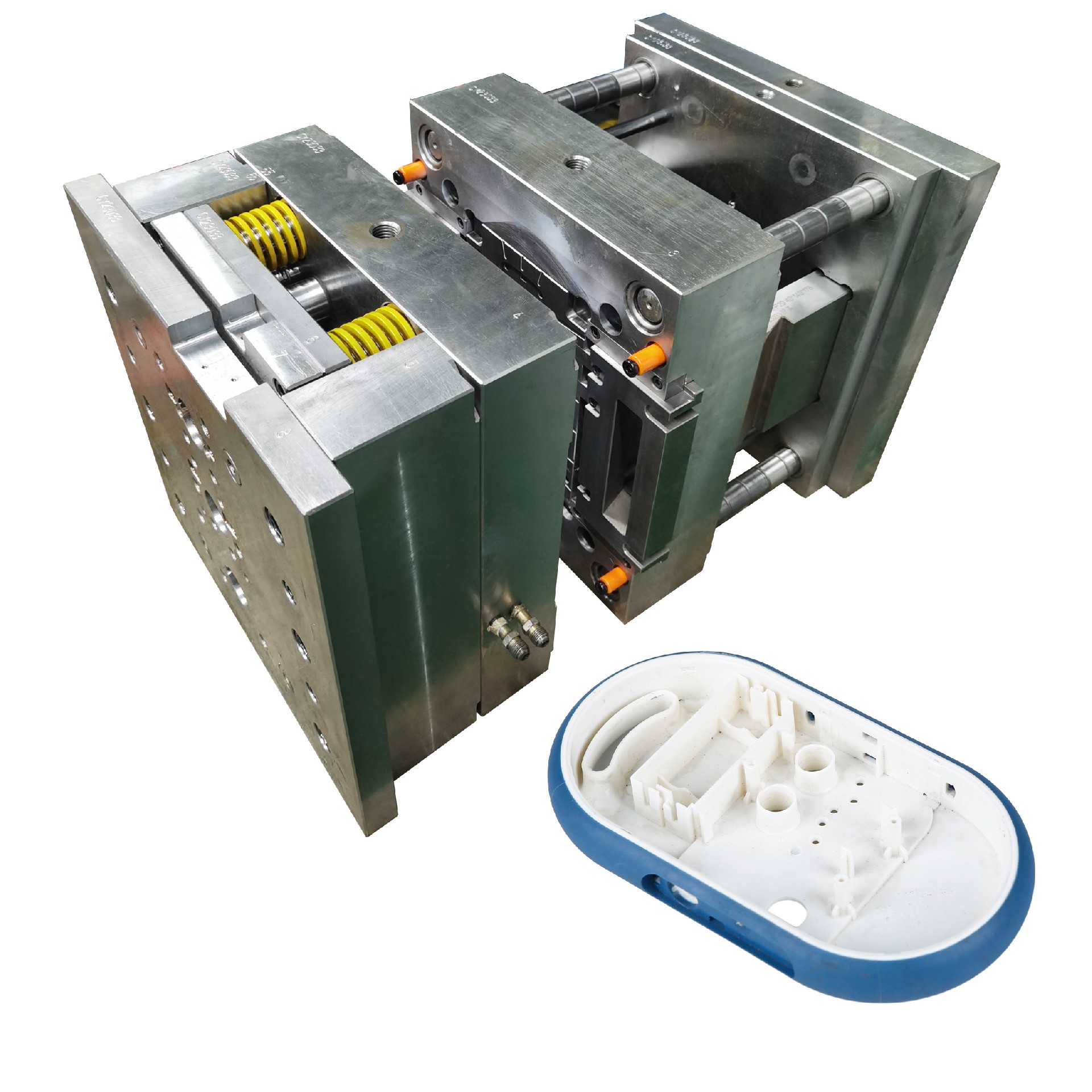
In stamping, the core battle is always between force and form. After years on the shop floor, I’ve learned that a single animated diagram of material flow often teaches more than ten pages of theory. The press and die apply external force to sheet, strip, tube, or profile, forcing plastic deformation or separation to achieve the desired shape and size. But what really separates a good die from a scrap generator are three things: material flow control, springback compensation, and die clearance. Take a common cold-rolled steel like SPCC at 1.0 mm thickness—the recommended blanking clearance is typically 8% to 10% per side, meaning 0.08 to 0.10 mm. If you go tighter, you get an over-wide burnish zone and accelerated die wear. If you open it up, burrs exceed tolerance and dimensional stability suffers. These numbers aren’t guessed—they’re the result of hundreds of thousands of trial hits, and they shift with material grade, thickness, and even lubrication.
For any mold engineer, understanding the interplay between punch speed, blank holder force, and die radius is non-negotiable. In progressive dies, for example, the strip’s feeding pitch and pilot pin alignment directly affect whether the part comes out flat or twisted. Springback is another beast—high-strength steels like DP780 can show 2° to 5° of angular recovery after forming, which forces you to over-bend or add coining steps. On the tool side, we often adjust clearance asymmetrically: punch-side clearance slightly tighter than die-side to control rollover and improve edge quality. And don’t forget about stripper pressure—too low, and the strip lifts; too high, and you mark the surface. These are the details that don’t show up in simulation reports but matter every single shift.
Ultimately, stamping is a discipline of accumulated empirical rules backed by measurable data. Whether you’re quoting a new job or troubleshooting an existing die, start with material specs, then calculate clearances and check the press tonnage curve. A 200-ton press might run a 1.5 mm mild steel part fine, but the same die on a 160-ton press could stall at the bottom dead center. Keep your tool steel selection aligned with the expected wear—D2 for short runs, PM steels for high-volume work. And if you’re sourcing a new die or need a second opinion on a stamping issue, visiting MoldWorld (www.moldw.com) gives you access to a network of mold makers and technical resources that can save you weeks of trial and error.