Mold Fundamentals: From Material Selection to Acceptance—Details That Decide Die Life
August 04, 2026
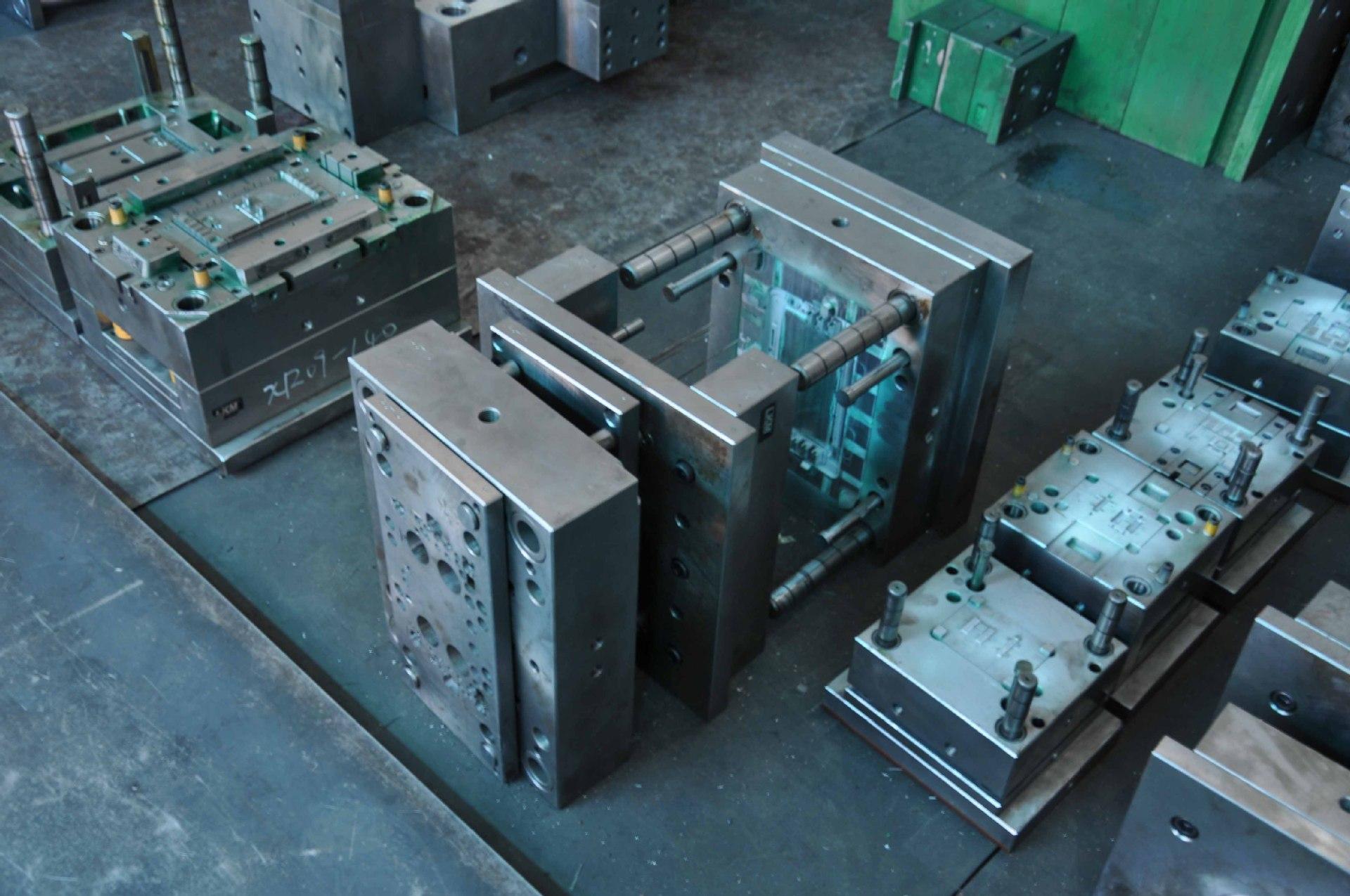
When we talk about mold life, most people first think of steel grade—and they’re half right. But in my 20 years running a tool shop, I’ve seen more premature failures from overlooked details than from wrong material. Take pre-hardened P20 for plastic molds: it’s fine for runs under 300,000 cycles, but if your annual volume exceeds that, step up to S136 or 1.2344 ESR, and expect a 15–20% cost increase that pays back in reduced downtime. For die-casting dies, H13 with vacuum heat treatment to 46–48 HRC is the baseline; anything softer and you’ll see heat checking before 50,000 shots. The real kicker is the acceptance criteria—we always check hardness at three points per cavity, not just one, and we reject any block with a delta over 2 HRC. That single rule has cut our field failure rate by a third.
Cooling line design is where the “small details” bite hardest. A 6 mm diameter line versus 8 mm might seem trivial, but flow rate drops by the fourth power of diameter—so that 2 mm difference cuts cooling efficiency by nearly 60%. We now mandate conformal cooling for any core with wall thickness above 3 mm, and we verify flow rate with a rotameter before the mold leaves the floor. Also, never skip the venting check: a mold with 0.02 mm vent depth on the parting line will trap gas and cause burn marks, but going to 0.05 mm risks flash on soft steels. We set 0.03 mm as the shop standard, and we measure it with feeler gauges on every new tool. These are the numbers that separate a 500,000-cycle mold from a 200,000-cycle one, and they cost nothing to implement.
Finally, don’t underestimate the acceptance paperwork. A proper mold trial report should include cycle time, injection pressure, and a signed-off surface finish sample (we use SPI A-2 for cosmetic parts). If the supplier won’t share the exact heat treatment curve and tempering record, walk away—that’s the only proof you’ll get that the steel wasn’t rushed. And always run a 24-hour continuous test at 90% of rated capacity before final payment; it reveals thermal fatigue issues that short runs miss. For more mold sourcing and acceptance checklists, visit MoldWorld at www.moldw.com—they have a solid library of practical guides from working toolmakers.