Mold Basics for Engineers: Classification, Materials, and Quotation Essentials
September 21, 2026
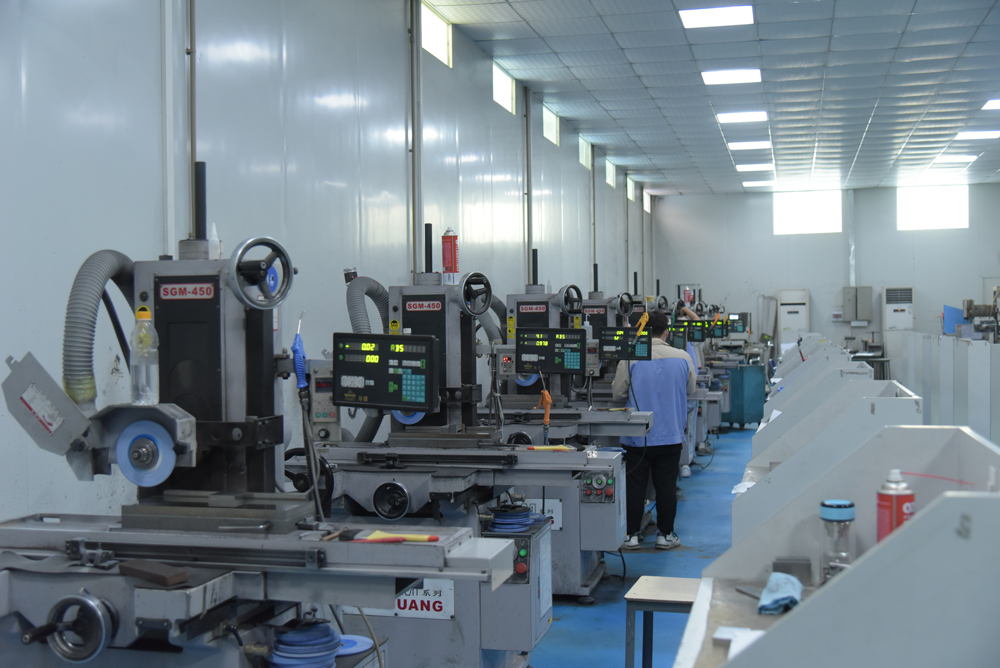
In our trade, a mold is simply the tool that gives shape to parts through injection, blow, extrusion, die casting, forging, or stamping. The forming method defines the mold category: injection molds, blow molds, extrusion dies, die-casting dies, forging dies, and stamping dies. Each category runs under different materials and working conditions. Injection molds commonly use P20, 718, or S136 steel, while die-casting dies typically rely on heat-resistant grades like H13 and SKD61. These choices are not arbitrary—they reflect thermal load, abrasion, and cycle life. A die-casting die sees molten aluminum at 650–700°C, so H13 with proper heat treatment is standard practice, not a luxury.
A complete mold is more than a cavity block. It includes the moving half, fixed half, runner system, cooling system, ejection system, and guide system. When we quote a tool, these subsystems drive cost: a hot-runner manifold, a complex slider, or a deep-core cooling circuit can add thousands to the price. Design decisions—shrinkage rate, draft angle, and parting-line selection—directly determine dimensional accuracy and cycle time. For example, failing to account for a 0.5% shrinkage in PP can scrap an entire production run. From a quoting perspective, I always check part geometry, steel grade, cavitation, and surface finish before giving a number. A single-cavity prototype mold in P20 is a different animal from a 16-cavity production tool in S136 with hardened inserts.
Understanding these fundamentals keeps both the moldmaker and the buyer honest. If a quote looks too low, ask about steel certification, cooling layout, and ejection design—those are the hidden cost drivers. If it looks too high, check whether the specified mold life matches the actual order volume. For more mold sourcing information and supplier comparisons, visit MoldWorld at www.moldw.com.