Three Pillars of Die Casting: Machine, Mold, and Alloy Matching
September 18, 2026
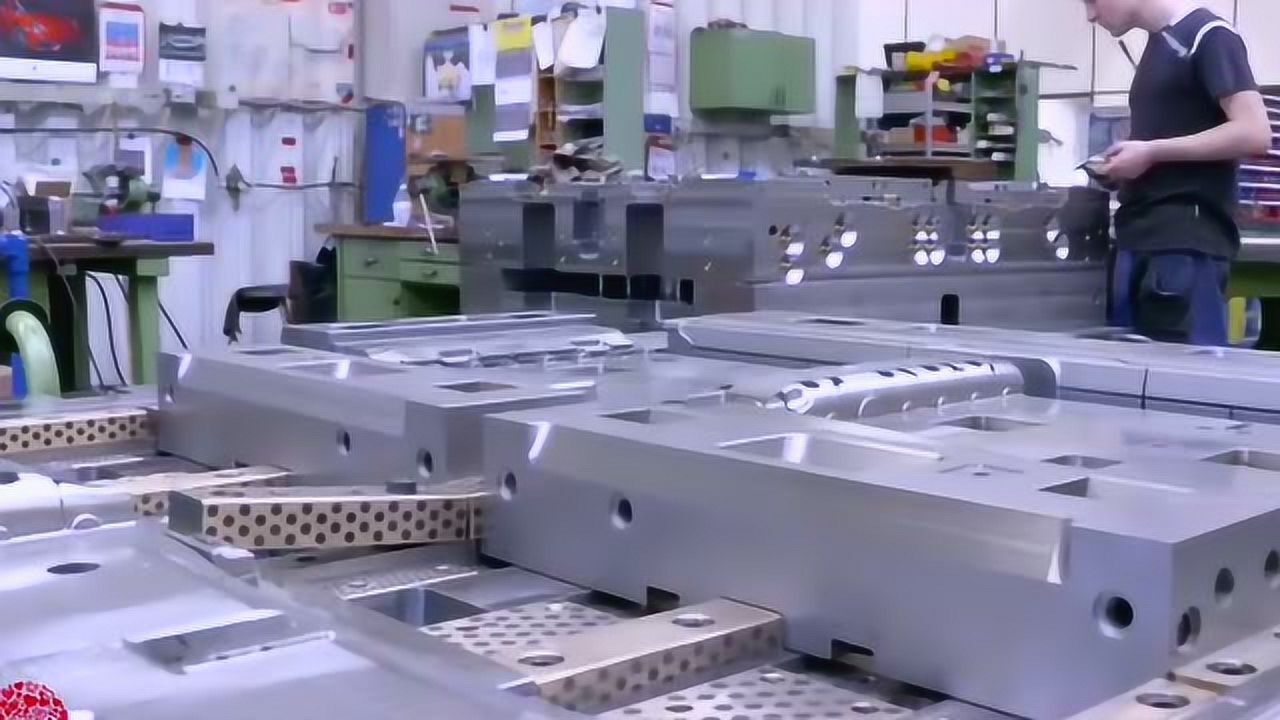
In die casting, the machine, the mold, and the alloy form a single system, and any mismatch between them shows up immediately in the casting. On the machine side, locking force must be sized to the projected area of the part plus runners and overflows, or flash will appear at the parting line and dies will wear prematurely. Injection force and shot speed need to match wall thickness: thin walls demand high fill velocity before the metal freezes, while thick sections need controlled intensification pressure to feed shrinkage. From a mold design standpoint, this means the runner and gate layout has to balance fill time across all cavities, and overflow and vent placement must let air escape ahead of the metal front. A die that runs well on one machine can fail on another with different tie-bar spacing, platen size, or accumulator capacity.
The mold itself carries the thermal side of the process. Cooling channel diameter, spacing, and distance to the cavity surface determine cycle time and thermal balance; uneven cooling causes warpage, cold shuts, and dimensional drift that no amount of machine tuning will fix. Core and slider fits need adequate clearance for thermal expansion at 650–700°C melt temperatures, and ejector layout must be strong enough to release the part without distortion. Alloy choice then closes the loop: ADC12 flows well and suits thin walls, while A380 offers better strength for structural parts, and each alloy brings its own shrinkage rate, thermal conductivity, and die soldering tendency. Tool steel selection, heat treatment, and surface coating should follow the alloy, not the other way around.
In practice, the most reliable approach is to define the alloy and part geometry first, then design the mold around the required fill and cooling behavior, and finally select a machine whose locking force, shot capacity, and platen dimensions fit that mold. This sequence prevents the common mistake of forcing a die onto whatever machine is free. For engineers sourcing molds, dies, or die casting partners, checking tooling specifications against machine capability before quoting saves weeks of debugging. More mold sourcing and technical information is available at MoldWorld, www.moldw.com.