Mold Quotation Communication and Certification: Lessons from an Off-Site Internship
September 16, 2026
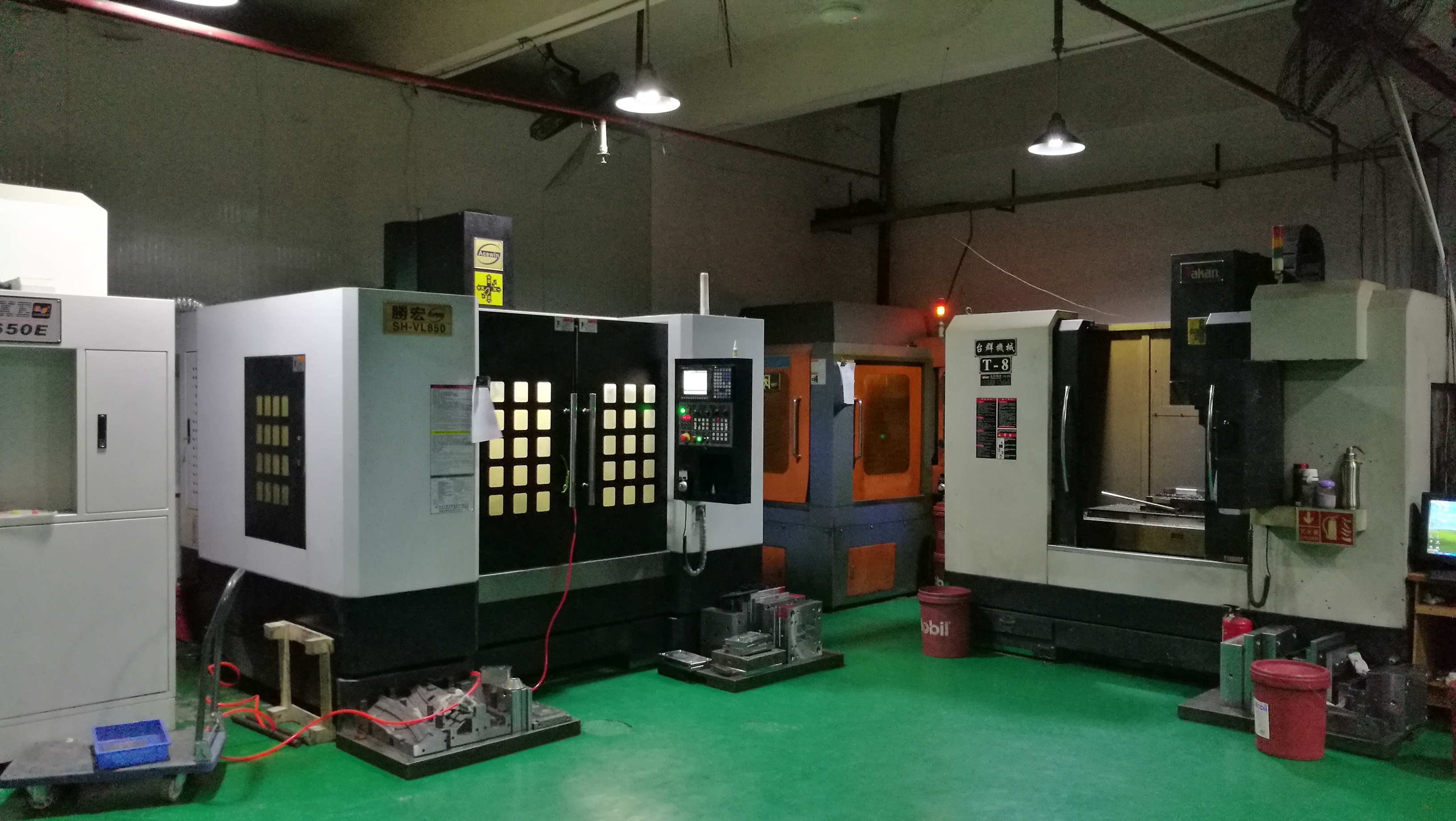
When I was an intern at a mold shop away from school, I quickly learned that a mold quotation is not just a math exercise. The quote sheet has to survive customer review, and that means the person preparing it must handle two things at once: technical cost breakdown and clear communication. In our shop, a typical quote for a mid-size injection mold included steel cost, machining hours, EDM and wire-cut time, polishing, heat treatment, and trial run expenses. If any of those items were explained poorly, the customer would question the total even when the number was correct. That is why many mold engineers treat quotation communication like a language skill: you need to translate shop-floor reality into customer-friendly terms without losing the real data.
On top of that, certification details often decide whether a quote moves forward. During my internship, I saw projects where the customer required ISO 9001 documentation, material certificates for P20 or 718H steel, and sometimes evidence of mold life testing. A quote that ignored these requirements looked cheaper on paper but failed later. In mold sourcing, the same logic applies: a supplier may offer a low price, but if the quotation does not clearly state mold base standard, cavity number, runner type, expected cycle time, and warranty terms, the buyer will pay more in the long run. Good quotation practice means listing assumptions, exclusions, and lead time in plain language, just like a well-organized technical report.
For anyone doing an off-site internship, the practical takeaway is simple: treat quotation and certification as part of the same workflow. Keep a checklist for steel grade, hardness, machining tolerance, surface finish, and required documents. Review the quote with the shop foreman before sending it out, and ask the customer to confirm any unclear points in writing. That habit reduces disputes and builds trust. If you want to compare more mold sourcing and quotation practices, visit MoldWorld at www.moldw.com for additional industry information.