Comparing 10 Plastic Molding Processes: A Mold Engineer's Practical Guide
September 16, 2026
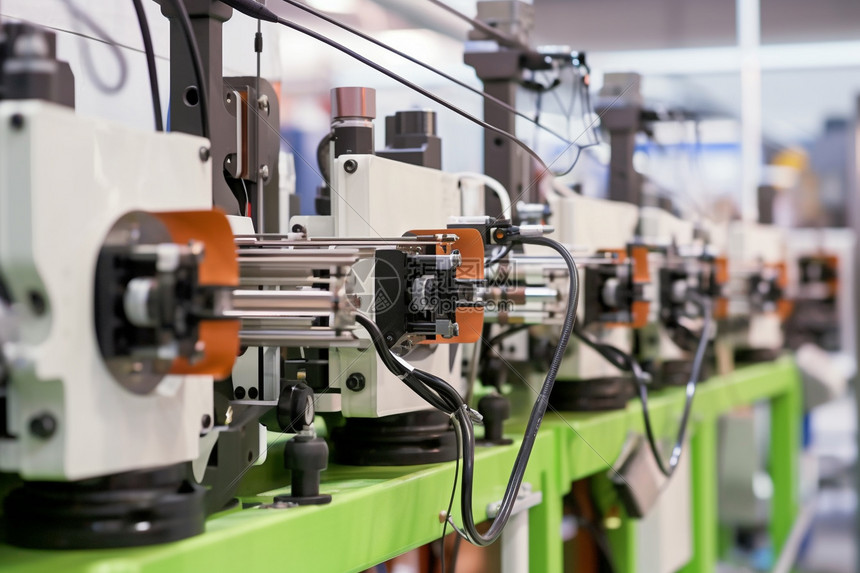
When I'm quoting a new project, the first question isn't "what machine do we have?" but "which process actually fits the part?" Injection molding remains the workhorse: cycle times of 10–60 seconds, wall thickness down to 0.5 mm, and tooling that can run millions of shots if you invest in hardened H13 or S136 inserts. But it only pays off at volume — a 16-cavity hot-runner mold might cost $30,000+, so low-runner or prototype work often goes to compression or transfer molding instead. Compression molding handles BMC and SMC with minimal shear, which is why it's still common for thick electrical housings, though cycle times stretch to several minutes and flash control on the parting line becomes a real headache.
Blow molding splits into extrusion and injection variants. Extrusion blow molding gives you parison control for bottles up to 200 L, but wall distribution is hard to hold within ±0.5 mm without axial wall-thickness programming. Injection blow molding delivers better neck finish and no scrap trim, yet tooling costs double. Rotational molding wins on large, hollow, stress-free parts — tanks, kayaks — but a 3 mm wall can take 20–40 minutes to form, so it's volume-limited. Thermoforming is the cheap-and-fast option for trays and clamshells, with mold costs often under $5,000, but draw ratios above 1.5:1 cause webbing and thinning at corners. Calendering, meanwhile, is the only realistic route for PVC film and sheet at 0.1–0.5 mm thickness, running continuously at 20–60 m/min.
From a mold shop floor perspective, the decision usually comes down to three numbers: annual volume, wall-thickness tolerance, and allowable tooling budget. Get those wrong and no amount of process tweaking saves the project. If you're sourcing molds or comparing process quotes, visiting MoldWorld (www.moldw.com) is a practical next step for more mold sourcing information.