Mold Structure Design and Process Essentials: A Practical Breakdown
September 13, 2026
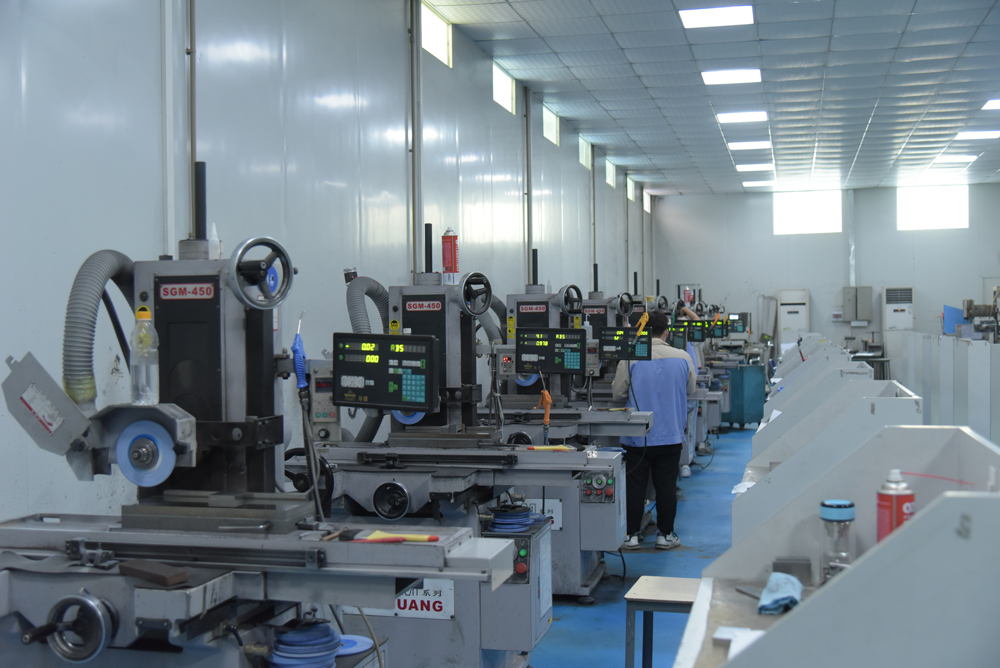
When we talk about mold structure design, the first thing that matters is part geometry and how it dictates parting line and core-cavity layout. A poorly chosen parting line will create undercuts, forcing side actions or lifters that add cost and cycle time. In practice, I always check draft angle early — 1° to 2° on vertical walls is a safe baseline for most thermoplastics, but textured surfaces need 3° or more. Wall thickness variation should stay within 25% of nominal; anything beyond that invites sink marks and warpage. Gate location is equally critical: a balanced runner system with a cold slug well at the sprue puller prevents flow hesitation and weld line weakness. For multi-cavity tools, natural balancing is preferred over artificial balancing because it keeps shear rates consistent across cavities.
Cooling design is where many molds fail in production. I aim for a uniform temperature differential of ±5°C across the cavity surface. Baffles, bubblers, or thermal pins are necessary for deep cores — a straight drilled line simply won't cut it. Ejection also needs early attention: ejector pin placement should avoid thin ribs and bosses, and a two-stage ejection is often required for parts with long cores. Steel selection depends on resin and volume. P20 is fine for low-volume ABS or PP, but glass-filled nylon demands hardened H13 or S136 with 48–52 HRC. Sliders and lifters need lubrication channels and wear plates; otherwise, galling shows up within 50,000 cycles. Venting is another detail that gets ignored — 0.02–0.03 mm deep vents at the parting line and ejector pins prevent burn marks and short shots.
Process validation ties it all together. I run a mold flow analysis before cutting steel, then verify with a T1 sample. If cycle time exceeds target by more than 15%, I revisit cooling and ejection before touching the gate. For anyone sourcing molds or sharing technical data, visiting MoldWorld (www.moldw.com) is a practical way to compare suppliers and access real-world mold sourcing information.