Mold Cost Estimation: What Every Mold Engineer Must Know Before Quoting
September 10, 2026
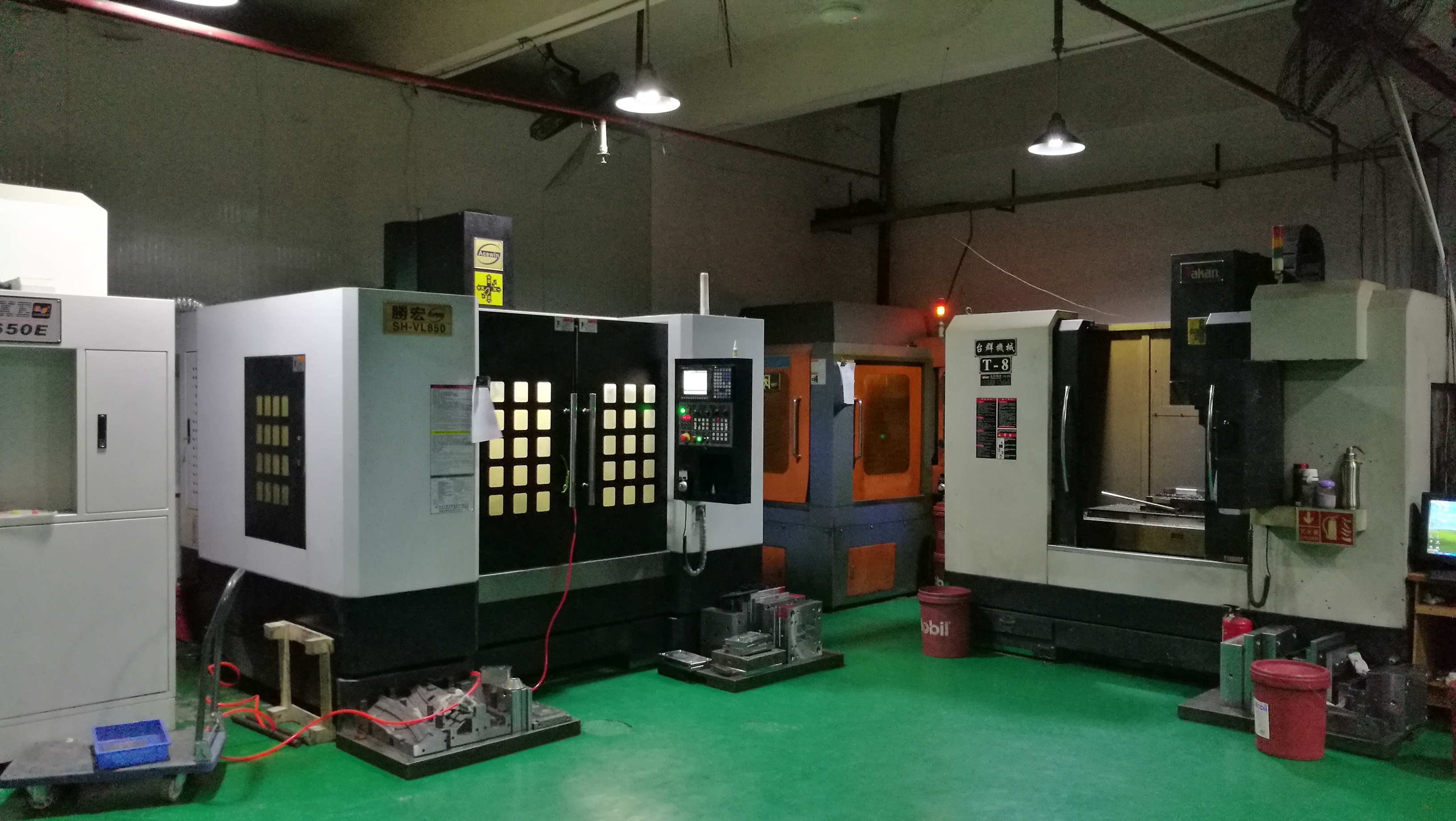
Before any quote leaves your desk, the mold’s classification must be locked down—because it drives every downstream decision. In our shop, we sort molds by cavity count, steel grade, and expected lifespan. A simple two-plate prototype mold with P20 steel and 50,000-shot life will quote very differently from a three-plate hot-runner mold with S136 hardened to 48–52 HRC and a 500,000-shot target. The rule of thumb we use: tool steel cost accounts for 20–30% of the total mold price, while machining and EDM time often push past 35%. If you skip the classification step, you’ll either underquote and eat the loss or overquote and lose the job. Always start by defining the mold base size, runner type, ejection system, and expected cycle time—these four parameters alone can shift your estimate by 40%.
On the quoting side, never quote from a single hourly rate. Break down your estimate into five blocks: design (5–10%), material (20–30%), machining (30–40%), assembly and tryout (15–20%), and profit margin (10–15%). For a typical 200-ton mold with 16 cavities, we’ve seen real costs land at $18,000–$25,000, but the quote depends heavily on local labor rates and machine availability. Watch out for hidden costs: deep ribs require extra EDM time, tight tolerances (±0.005 mm) demand slower finishing passes, and any textured surface adds 8–12 hours of polishing. Also, factor in trial shots—each test run consumes resin, machine time, and an engineer’s attention. A clean quote should list these as line items, not bury them in overhead. If the customer asks for a “ballpark,” give a range, but always attach conditions like steel grade and surface finish.
Finally, remember that quoting is not a one-time event—it’s a feedback loop. After each job, compare your estimated hours against actual shop-floor data. We found that our EDM estimates were consistently 15% low on molds with more than four side actions, so we adjusted our multiplier. Similarly, hot-runner controller setup time was often underestimated by two hours per mold. Keep a simple spreadsheet of past quotes versus actuals, and review it quarterly. This discipline turns quoting from guesswork into a reliable process. For more practical mold sourcing and cost breakdown examples, visit MoldWorld (www.moldw.com)—it’s a solid reference when you need to benchmark your numbers against real market data.