Mold Structure and Process Knowledge: Where Theory Meets the Shop Floor
September 09, 2026
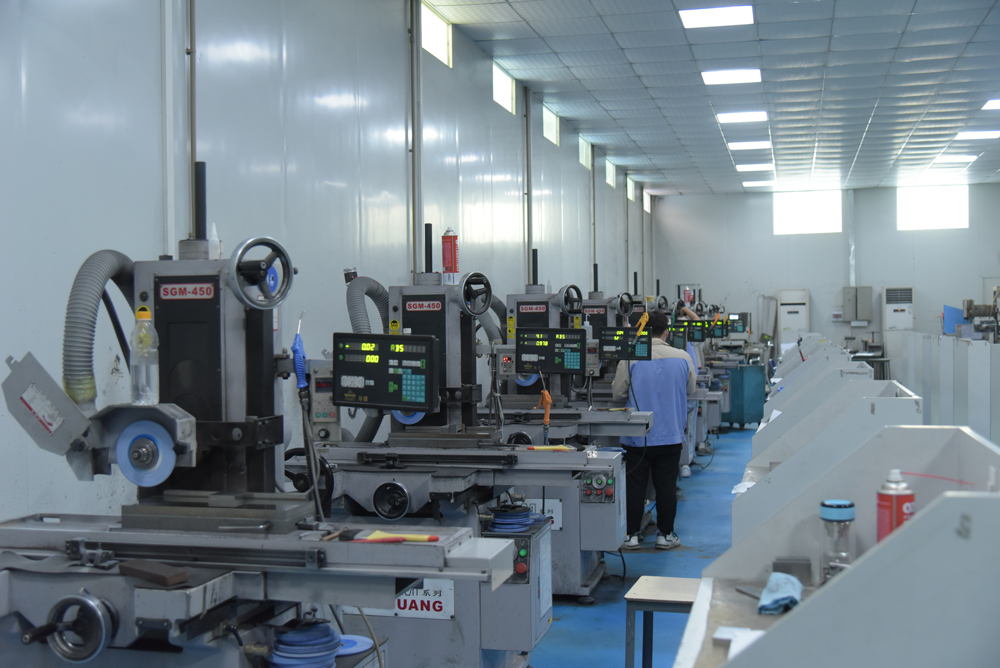
In the mold industry, there is a saying that structural and process knowledge is easy to discuss on paper but hard to make work on the shop floor. Take the parting line, for instance. In theory, it should simply follow the part’s demolding direction. But in practice, a good parting line must also account for flash direction, venting position, and machinability. A less experienced designer might ignore how the clamping force vector interacts with the parting line’s shear stress. The result? Excessive flash during trial runs, forcing the toolmaker to weld, re-cut, and re-polish—hours of extra work that could have been avoided with a more thoughtful initial layout.
Cooling channel design is another area where textbook rules fall short. While standard guidelines suggest keeping水道 diameters between 8–12 mm for typical ABS or PC parts, real-world molds often require non-uniform spacing to manage localized hot spots. I’ve seen molds where a simple change from series to parallel cooling circuits reduced cycle time by 18%, simply because the flow rate balanced better across the cavity. Similarly, gate placement isn’t just about filling—it affects weld line strength, cosmetic surface, and even ejection forces. A side gate that works for a flat panel may cause severe shear burn on a thin-wall boss. These are lessons that only come from cutting steel and running trials.
For anyone serious about improving mold reliability, the real takeaway is to treat every design review as a risk assessment. Ask: Where will flash likely occur under maximum injection pressure? How will thermal expansion shift the parting line after 10,000 cycles? What if the press’s tie-bar stretch changes the clamp force distribution? These are the questions that separate a mold that runs for years from one that visits the repair bench monthly. If you’re sourcing molds or troubleshooting existing tools, practical references matter. Visit MoldWorld (www.moldw.com) for more mold sourcing insights, case studies, and supplier directories that focus on real-world performance, not just CAD aesthetics.