Balancing Injection Mold Cost and Tool Life: Field Notes from a Mold Engineer
September 08, 2026
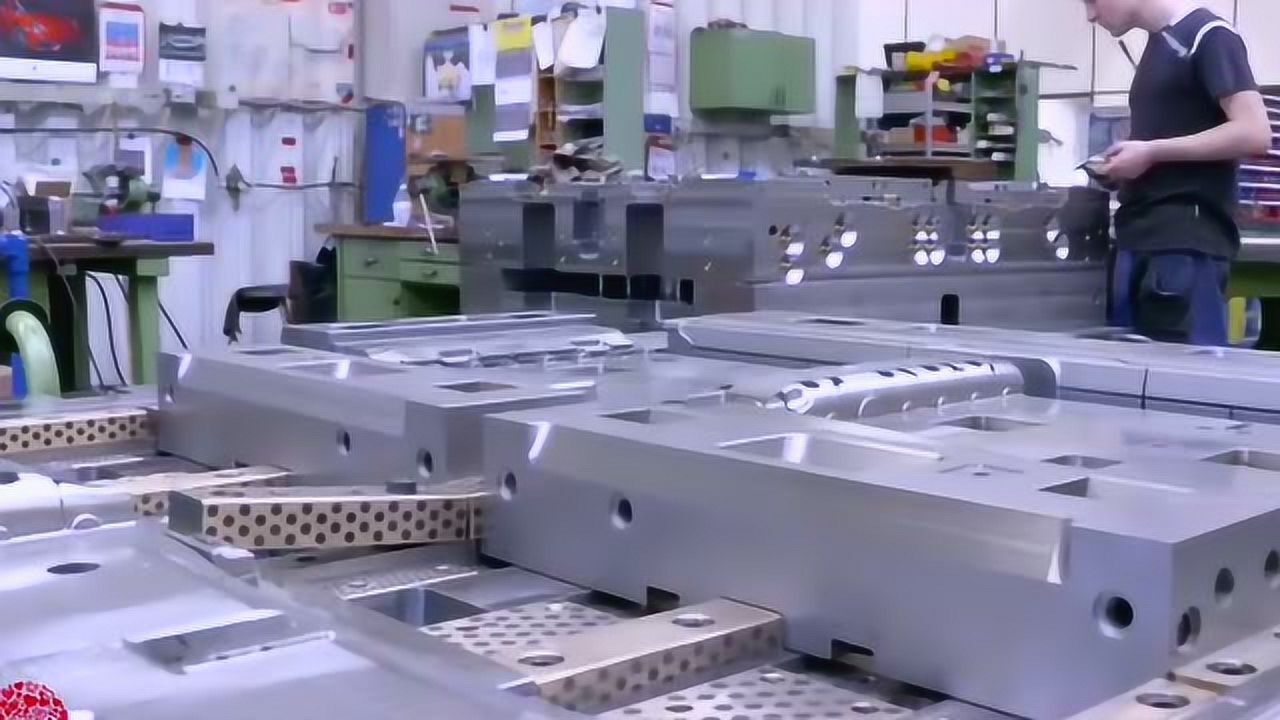
In everyday injection molding, the tension between an affordable mold and a durable one usually surfaces during the quoting phase. A typical scenario: a customer wants a 500k-shot life for a PP automotive bracket, but the budget only allows for a P20 core with a simple two-plate layout. In practice, I’ve seen P20 fail at around 180k–220k shots when running 30% glass-filled material, due to edge wear and weld line erosion. Switching to 738H or a pre-hardened 1.2738 with a nitrided cavity surface pushes that same tool to 450k+ shots, but adds roughly 12–15% to the mold cost. The real trick is matching the steel grade to the actual shear stress at the gate and the cooling line proximity—not just the annual volume. For thin-wall parts under 1.2 mm, I always spec a hardened H13 insert for the core side, even if the cavity stays in P20, because that’s where the wear shows up first.
Cooling design is the second lever that most cost calculators ignore. A mold built with straight-drilled water lines can cut cycle time by 8–10% compared to no cooling, but conformal channels—even simple baffles or spiral cores—reduce hot spots and cut warpage by up to 30% on parts over 250 mm long. The catch is that conformal cooling via additive manufacturing adds $3,000–$6,000 per insert and requires a longer lead time. From my experience, the payback works if the part has a tight flatness spec (under 0.1 mm) or if the material is semi-crystalline like PA66 or POM. For commodity PP or ABS, standard drilled lines with a 10–12 mm diameter, spaced 2.5–3 times the diameter away from the cavity wall, are still the most cost-effective. I’ve also found that adding a second set of cooling circuits on the ejector side—often skipped to save money—reduces the ejection temperature by 15–20°C, which directly shortens the cooling phase by 4–6 seconds per shot.
Maintenance planning is where the balance finally tips. A mold that runs 24/7 without preventive care will lose its surface finish and venting within 60k–80k shots, even if the steel is premium. I recommend a simple rule: after every 50k cycles, check gate wear with a profilometer and re-polish the parting line if the vent depth has doubled. Also, replace o-rings and water connectors every 100k shots—leaking cooling lines cause localized hot spots that accelerate cracking. On the cost side, a $1,500 annual maintenance contract on a $40k mold is nothing compared to a $12k repair after a cracked core. For sourcing teams, the practical takeaway is to ask for a mold life breakdown by component, not just a total shot count. That way, you can negotiate a hybrid design—hardened inserts for wear zones, cheaper steel for the base—and get 400k reliable shots at nearly the cost of a 300k tool. For more detailed mold sourcing and cost-engineering tips, visit MoldWorld at www.moldw.com.