Understanding Quotation Logic and Cost Traps in Die-Casting Processes
September 07, 2026
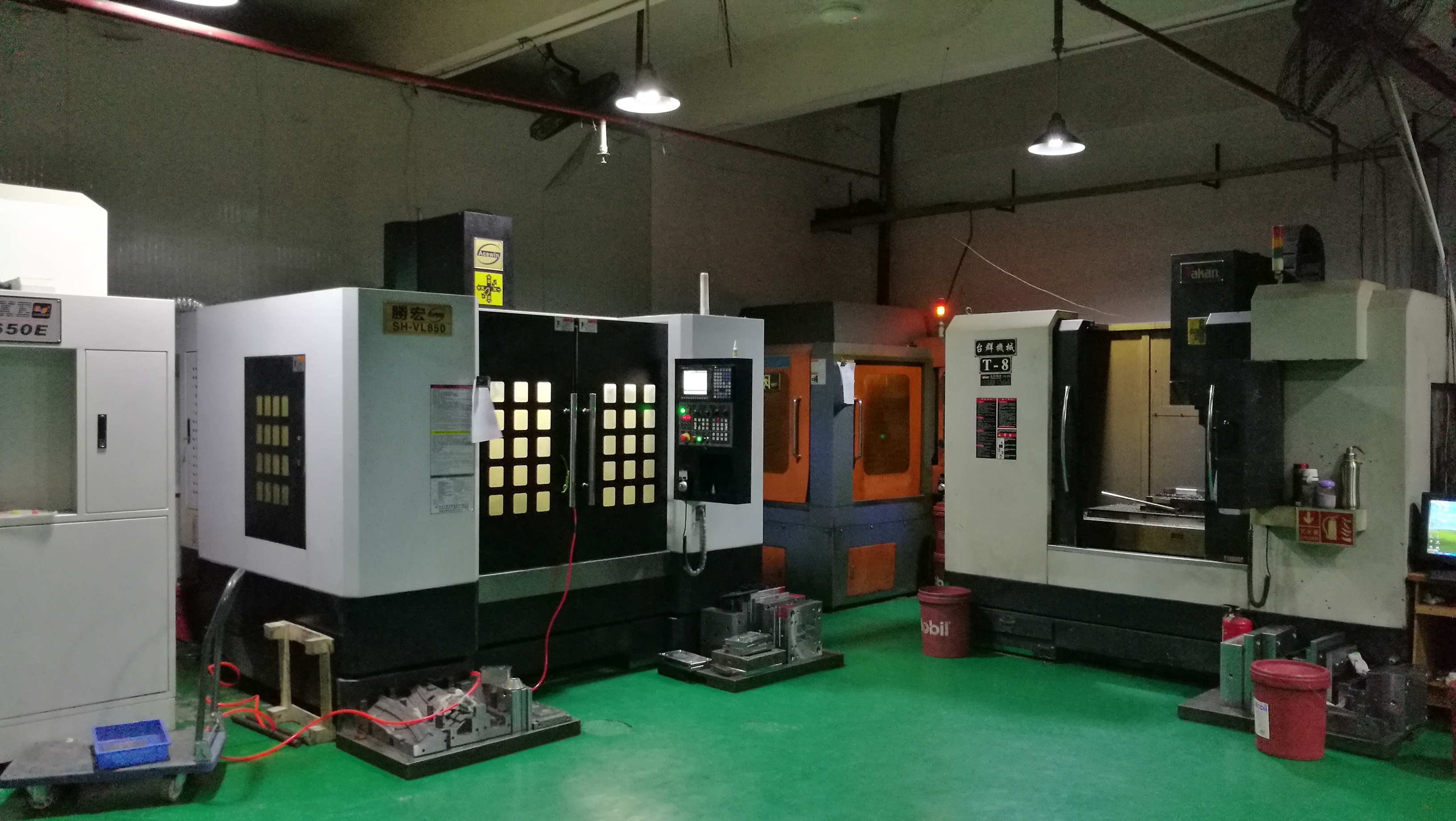
When quoting die-casting jobs, most mold shops focus on cycle time, shot weight, and machine tonnage—but the real cost structure runs deeper. A typical hot-chamber zinc die-casting quote should start with material yield, not just raw ingot price. For example, if the gate and overflow system accounts for 30% of the shot weight, the effective material cost per part rises by that same percentage. Add in a 5–8% allowance for dross and oxidation losses, and the true metal cost can be 15% higher than the initial calculation. Many shops also forget to factor in die lube consumption, which runs at roughly 0.5–1.5% of the total production cost, and the energy spike during hold-down phases—both are easy to overlook when quoting from a simple per-kg rate.
The biggest cost trap in die-casting quoting is the assumption that a shorter cycle time always means lower cost. In reality, faster cycles often create higher thermal fatigue on the die, leading to premature cracking and more frequent maintenance. A die that should last 150,000 shots may only reach 90,000 if you push the cycle below the recommended dwell time. That hidden die replacement cost, typically $8,000–$20,000 per cavity set, can wipe out any savings from a 10% cycle reduction. Another trap is ignoring the secondary operations: trimming, tumbling, and machining can add 25–40% to the final part cost. If your quote only covers the casting itself, you’ll either lose money on the follow-up work or lose the order to a competitor who bundles those operations correctly.
To build a robust quote, start with a detailed process sheet that lists every step from melt to finish, then assign a cost to each station, including die preheating and spray cycles. Always include a 10–15% contingency for scrap and rework, especially for new dies or tight-tolerance parts. Also, verify the customer’s annual volume against the die life—if they request 200,000 parts per year but the die is rated for 120,000 shots, you must price in a spare die set or a maintenance schedule. A transparent quote that breaks out tooling, per-part cost, and secondary operations will win trust and prevent post-award disputes. For more detailed sourcing strategies and cost breakdown templates, visit MoldWorld at www.moldw.com—your go-to resource for mold and die-casting procurement intelligence.