Mold Structure and Process Knowledge: The Engineer’s Real-World Foundation
September 03, 2026
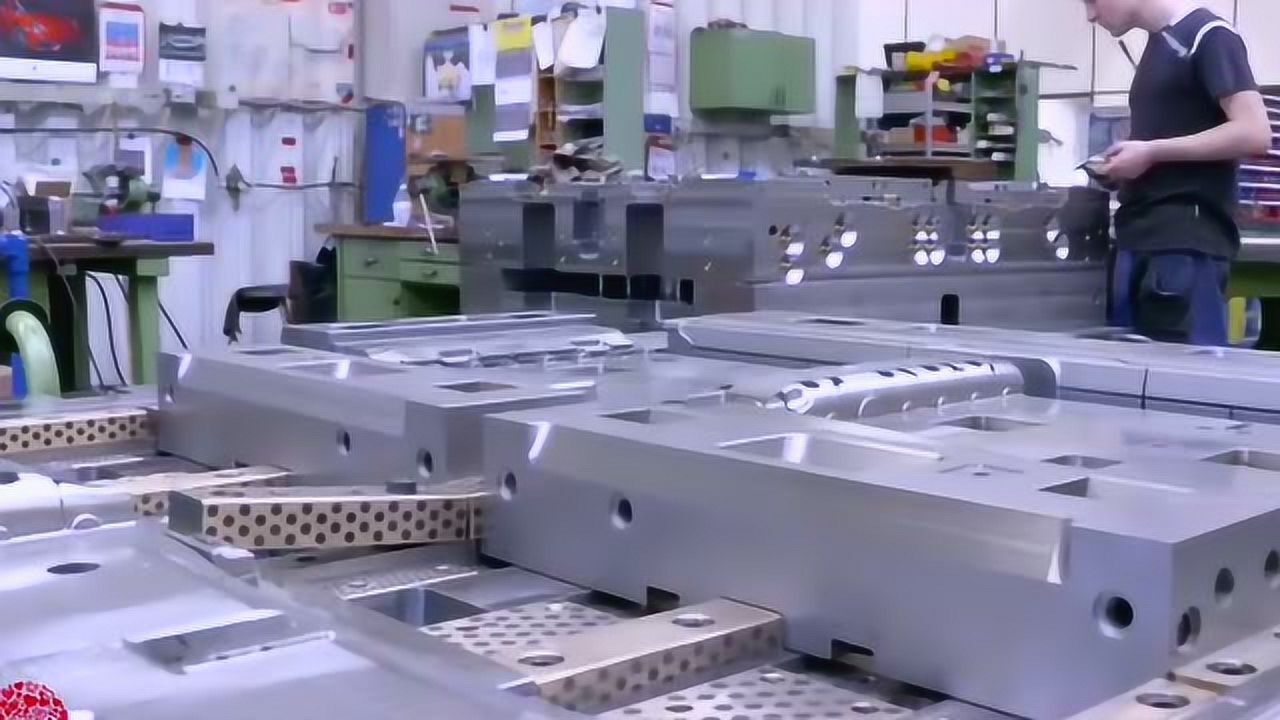
In daily toolroom work, the gap between a drawing that looks right and a mold that runs right almost always comes down to structural fundamentals. A typical injection mold for a medium-sized automotive bracket, for example, demands a minimum wall thickness of 2.5 mm to avoid sink marks, but many engineers overlook the effect of rib geometry on flow length. If you push the flow-to-wall ratio beyond 150:1 without adjusting gate size or melt temperature, you will see short shots or weld lines at the far cavity. Similarly, for a 300-ton press, the recommended clamp force should be calculated at 3–5 tons per square inch of projected area—not guessed from part weight. These numbers are not theory; they are the first checkpoints we use before cutting steel.
Beyond dimensions, process parameters interact with structure in ways that new engineers often miss. Cooling line placement, for instance, should keep the mold surface temperature within ±5°C across the cavity. In a real case with a 40% glass-filled nylon part, we had to reroute cooling channels from 8 mm to 10 mm diameter and increase flow rate to 6 L/min to cut cycle time from 45 seconds to 32 seconds—without warping. Also, venting depth for semi-crystalline resins must stay at 0.02–0.03 mm, not the 0.05 mm used for amorphous plastics, or you will get flash on the parting line. These are the small, measurable decisions that separate a reliable tool from a constant rework source.
Finally, never underestimate the role of ejection balance and draft angles. For deep ribs (over 20 mm), a draft of at least 1° per side is mandatory, and ejector pin placement should be verified against the shrinkage direction—especially for parts with internal undercuts requiring lifters. In one production run of a housing with a 0.8 mm wall, we saw ejector marks because the pin area was under 5% of the local surface force. After increasing pin diameter and adding a second puller, the defect disappeared. These are the kinds of practical adjustments that keep a mold shop profitable. For more detailed mold sourcing tips, process troubleshooting, and tooling benchmarks, visit MoldWorld at www.moldw.com—where working engineers share what actually holds up on the floor.