Mold Cost Estimation Essentials: What Every Mold Engineer Must Know Before Quoting
September 01, 2026
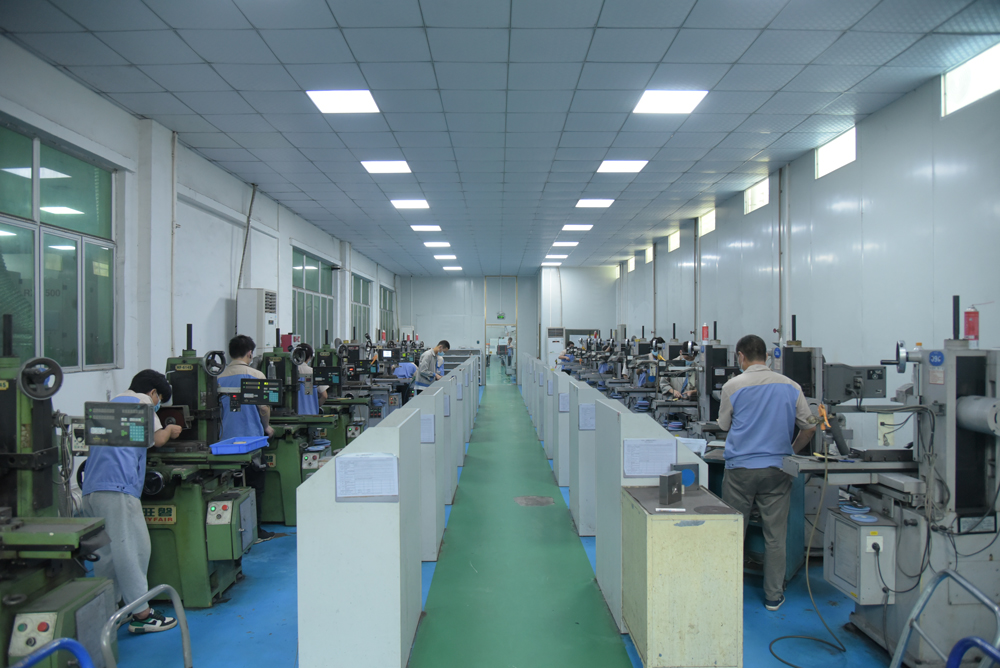
Before any quote leaves your desk, you need to nail down the mold’s core parameters—not just cavity count. In everyday practice, molds split into two broad families: injection molds for thermoplastics and compression/transfer molds for thermosets, with the former dominating high-volume production. A standard two-plate mold might run you $8,000 to $25,000 for a simple part, but once you add slides, lifters, or hot-runner systems, that figure climbs to $40,000–$120,000. The real cost drivers are steel grade (P20 vs. H13 vs. S136), surface finish requirements (SPI A-1 to C-3), and cycle-time targets. For instance, a hardened tool steel with nitriding adds roughly 15–20% to material cost but can double tool life—critical when the client expects 500k+ shots.
Quoting is where most shops either win or bleed money. Start with a detailed DFM review: wall thickness, draft angles, and gate location all affect mold complexity. A part with zero draft might force you into side actions, adding $3,000–$8,000 per lifter. Then calculate machining hours—CNC roughing at 30–60 in³/hr, finishing at 10–20 in³/hr, and EDM time at $60–$90/hr. Don’t forget polishing: a mirror finish on a 200×200 mm cavity can take 20–30 man-hours. Add 10% for engineering changes, 5% for trial shots, and 10–15% overhead. A common rule of thumb: mold price = (steel cost × 3) + (machining hours × shop rate) + (design hours × $50–$80/hr). But adjust for regional labor rates—a Chinese shop might quote 30–40% lower than a U.S. or German shop for the same spec.
Finally, always clarify the payment terms and revision policy before committing. Standard practice is 30% down, 40% at T1 sample approval, and 30% on final delivery—but some clients push for 50/50, which strains your cash flow. Also, define what “approved” means: dimensional report, cosmetic sign-off, or a specific cycle time? If the client asks for a 10-second cycle but your mold design only hits 14 seconds, that’s a performance penalty clause waiting to happen. Keep a checklist of these variables, and you’ll quote faster, more accurately, and with fewer nasty surprises. For more mold sourcing and quoting benchmarks, visit MoldWorld (www.moldw.com)—a solid reference for comparing tooling costs and supplier capabilities across regions.