Mold Structure and Process Knowledge: The Real Backbone of Tooling Engineering
September 01, 2026
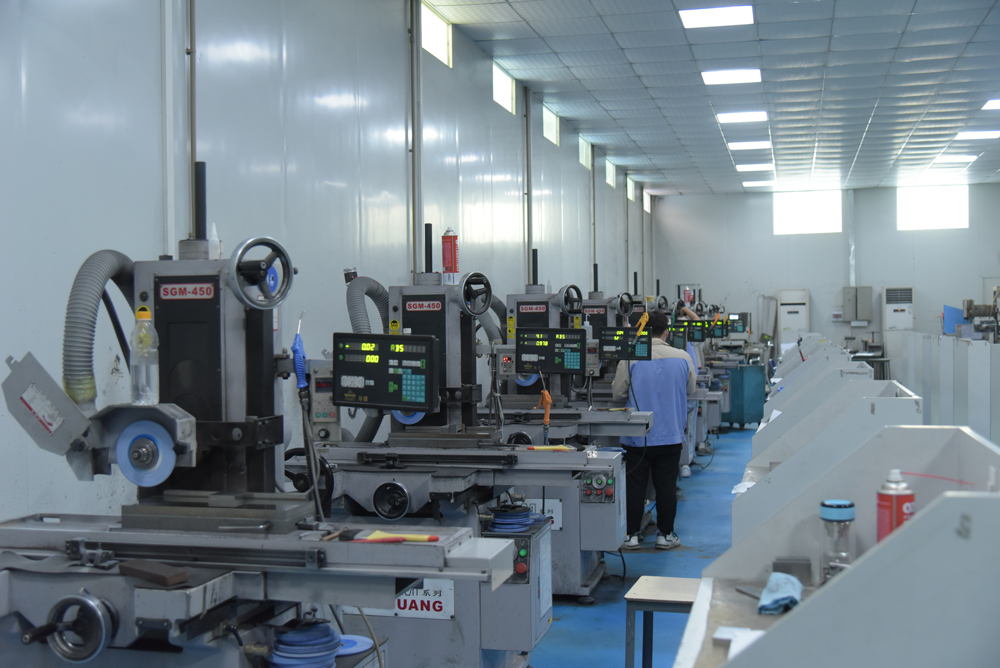
Every mold project, from initial design to production ramp-up, hinges on a chain of critical decisions—material selection, thermal balance, parting line geometry, and cooling channel layout. In my experience, a seemingly minor oversight in any of these areas will inevitably surface during trial runs, often as sink marks, short shots, or excessive warpage. For instance, the cooling system isn’t just about drilling straight holes; it’s about conformal placement that matches the part’s contour, ensuring uniform heat extraction. I’ve seen molds with a 20°C temperature differential across the cavity, leading to a 0.15 mm dimensional deviation on a 200 mm part—unacceptable for most automotive or medical applications. That’s why we always run a mold flow analysis before cutting steel, checking for hot spots and verifying gate freeze times.
The basics are often the most neglected. Take parting line design—many engineers rush to place it at the part’s widest section for simplicity, but that ignores venting requirements and potential flash. A proper parting line should also account for the steel’s hardness and the clamp tonnage available; a poorly designed one can cause 0.05 mm flash, which then requires secondary trimming, adding cost and cycle time. Similarly, material selection isn’t just about picking P20 or H13 for the cavity. We look at thermal conductivity, wear resistance, and polishability. For high-cavity-count molds running glass-filled nylon, I’d specify a pre-hardened steel like 1.2738 with a hardness of 38-42 HRC, but for a high-gloss PC part, we switch to a stainless mold steel like S136, vacuum heat-treated to 48-52 HRC, to avoid corrosion and maintain a mirror finish.
Ultimately, the difference between a mediocre mold and a profitable one lies in the small things—proper draft angles (typically 1° to 3° per side, depending on texture), vent depths (0.02 mm for unfilled resins, 0.01 mm for glass-filled), and ejection balance. Over the years, I’ve learned that a robust mold isn’t the most complex one; it’s the one that runs consistently for 500,000 cycles with minimal maintenance. If you’re sourcing molds or looking to improve your current tooling, check out MoldWorld (www.moldw.com) for practical sourcing insights and supplier comparisons that actually match shop-floor realities.