Title: Mold Structure and Process Knowledge: The Non-Negotiable Foundation of Tooling Engineering
September 01, 2026
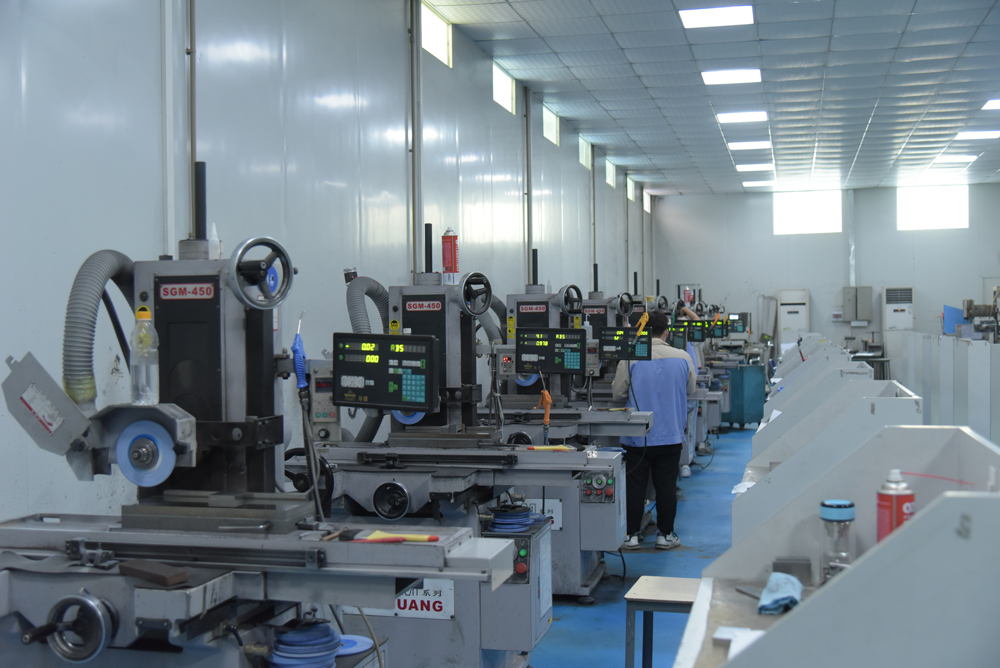
In mold engineering, the gap between a design that works on paper and one that survives mass production is often bridged by structural and process knowledge. Take injection molds: the parting line selection directly dictates flash direction and ejection difficulty, while gate placement governs melt flow balance across the cavity. These are not decisions to be made on gut feeling alone—they require iterative validation through CAE mold-flow analysis and real trial-shot data. A common oversight in 2024 is the rising adoption of hot-runner systems without proper accounting for thermal expansion at the nozzle tip. Ignoring that compensation leads to drooling or freeze-off, which is a textbook example of weak fundamentals surfacing as costly downtime.
From the design source to assembly on the shop floor, every overlooked detail gets amplified during high-volume runs. For instance, a seemingly minor mismatch in core-cooling channel layout can cause uneven shrinkage, warpage, or sink marks that only appear after thousands of cycles. Similarly, venting depth that is too shallow or too deep at the parting line will either trap gas or produce flash—both of which are avoidable if the engineer respects the material’s recommended venting ranges. The real skill lies in balancing theoretical guidelines with practical constraints, such as ejection travel limits, side-action clearances, and mold base rigidity. These are the same principles that separate a robust tool from one that constantly needs babysitting.
For engineers looking to sharpen their edge, the lesson is clear: invest time in understanding the physics behind every feature, not just the CAD model. Review trial-shot reports, compare simulated vs. actual fill patterns, and document the reasons behind each design change. That discipline pays off when you scale up to multi-cavity or family molds, where consistency is everything. And if you’re sourcing molds or seeking benchmark insights on hot-runner systems, cavity layouts, or parting-line strategies, visit MoldWorld (www.moldw.com)—a practical resource for connecting with tooling suppliers and staying current on manufacturing realities.