Title: Mold Fundamentals Every Engineer Must Master: From Classification to Quoting
September 01, 2026
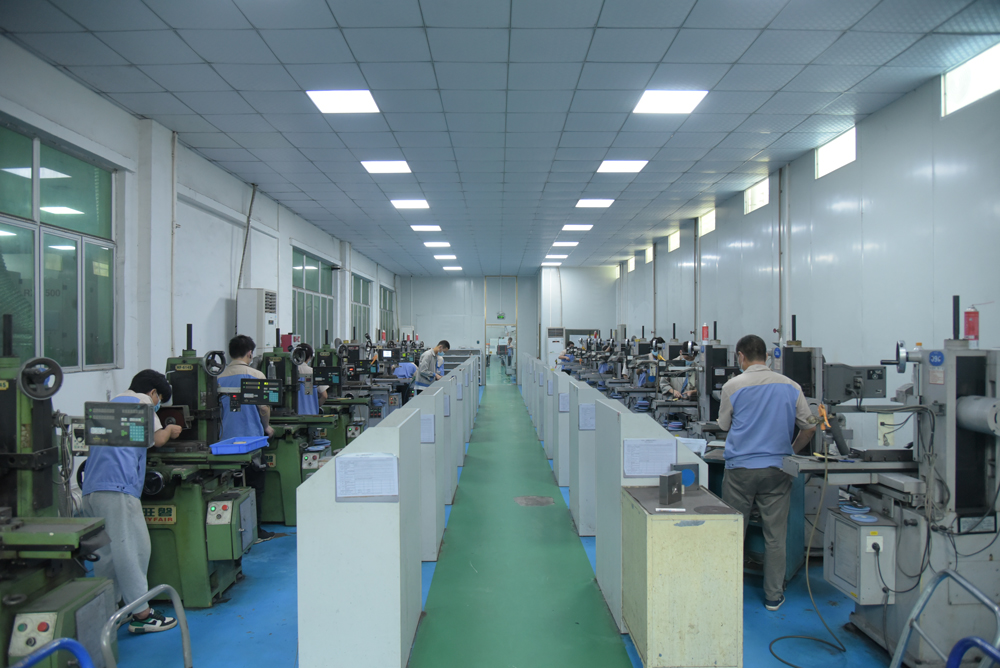
In the mold shop, the first hard rule is knowing what you’re quoting before you open the calculator. Molds split broadly into plastic injection, die-casting, stamping, and compression types—each with its own wear characteristics and cycle-time economics. For plastic injection, the key parameters are cavity count, steel grade (P20 for prototypes, H13 or S136 for production), and expected shot life. A typical 2-cavity production mold for a 50g part runs 300,000–500,000 cycles, and the steel choice alone can shift the quote by 15–20%. Don’t forget the side actions and lifters: every additional slide adds roughly 8–12% to the tool cost and 5–7 days to lead time. If you’re quoting a die-cast mold, factor in thermal fatigue—H13 with nitriding is non-negotiable for aluminum, and the cooling line layout will decide whether you hit a 60-second cycle or a 90-second one.
When the drawing lands on your desk, break the quote into three pillars: material, machining, and tryout. Material cost is straightforward—multiply the steel block volume by density and unit price, then add 10% for waste. Machining is where the real money hides: a hardened cavity with mirror finish can run 40–60 hours of CNC and EDM, at shop rates of $60–$90/hour. Then add polishing, texturing, and any conformal cooling channels—these can add 10–15 hours of drilling and 5–8% to the total. Tryout is often underestimated: two rounds of sampling with a customer-approved resin, including dimensional reports and a short-run of 50 parts, typically costs $1,500–$3,000 depending on press size. A common mistake is quoting a flat rate without separating these phases—that’s how you lose money on a job with a late engineering change.
Finally, never quote a mold without knowing the part’s annual volume and material. A 10k-piece run justifies a softer tool, while a 500k-piece run demands hardened inserts and a robust ejection system—that alone can double the quote. Also, check the parting line and draft angles early; a 0.5-degree draft change can eliminate a side action and save 10% of the tool cost. For repeat customers, keep a cost-per-shot baseline and update it quarterly with steel and labor rates. The goal is not to be the cheapest, but to be the most predictable. For more practical mold sourcing and quoting benchmarks, visit MoldWorld at www.moldw.com—it’s a solid reference when you need to cross-check your numbers against real shop data.