Optimizing Die Casting Process Windows Through the Synergy of the “Three Elements”
August 31, 2026
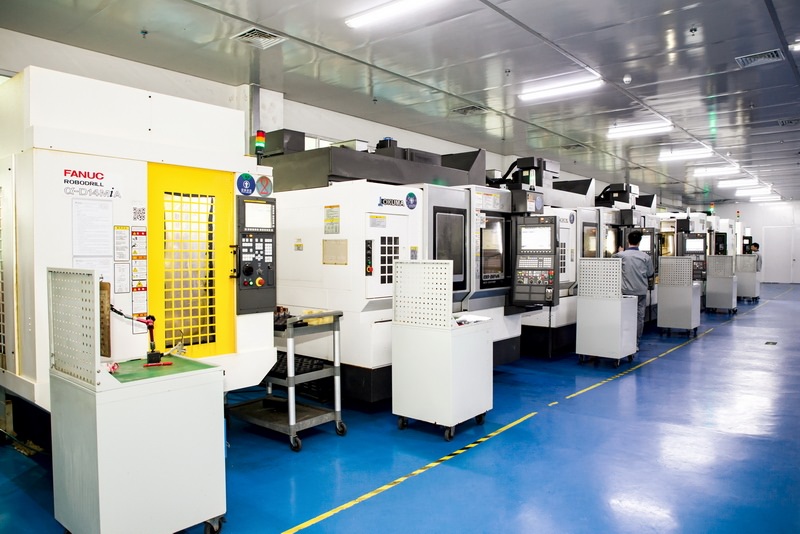
In die casting, the so-called “three elements”—injection pressure, plunger speed, and melt temperature—are not independent variables but a tightly coupled system. A typical aluminum alloy (e.g., A380) requires a fill speed of 1.5–2.5 m/s and a specific injection pressure of 300–700 bar, while the melt temperature must stay within 660–700°C. If the melt is too cold, the viscosity rises, leading to cold shuts and flow marks; if the plunger speed is too high, turbulent flow traps air, causing porosity. From a mold engineering standpoint, the real skill lies in defining a process window that balances these three parameters, not just setting them individually. For instance, a thicker wall section (over 4 mm) can tolerate a slightly lower pressure, but a thin-wall part (under 2 mm) demands both high speed and high pressure to ensure complete filling before the melt solidifies.
Thermal management of the die is equally critical. A die surface temperature of 180–250°C for aluminum alloys is typical, but the temperature gradient across the cavity must be kept within ±20°C to avoid premature solidification or soldering. This is where cooling channel design and spray timing come into play. In practice, I’ve seen many shops reduce cycle time by 15% simply by optimizing the water flow rate in the cooling lines, while keeping the same pressure and speed settings. But the process window narrows when you push cycle time—if the die surface overheats beyond 280°C, the release agent degrades, and the part sticks. So, the “three elements” must be monitored together with die temperature, not in isolation. A simple but effective approach is to run a design of experiments (DOE) on a new tool, recording pressure, speed, and temperature at each shot, then mapping the acceptable range for each combination.
Finally, real-world production data shows that a stable process window reduces scrap rates from 8% down to under 2% in most cases, provided the machine, die, and alloy are consistent. But don’t forget the human factor—operators need clear setpoints and alarm limits, not just a “best guess” from the setup sheet. If you’re sourcing a new die casting mold or troubleshooting an existing one, the process window is your first diagnostic tool. For more detailed sourcing guidance and technical comparisons, visit MoldWorld at www.moldw.com—a practical resource for mold buyers and engineers alike.