Cold Stamping Decoded: The Engineering Reality Behind "Cold Forming" in Die Design
August 31, 2026
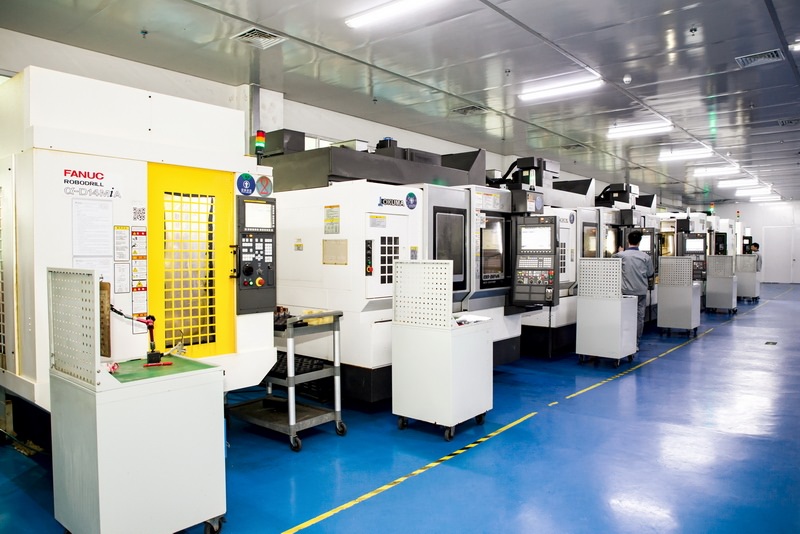
Cold stamping—often mistakenly simplified as "pressing at room temperature"—is a precision-driven forming discipline where the workpiece stays below its recrystallization point, but the tooling experiences extreme localized stress. In real die shops, the "cold" in cold forming refers to the metal's microstructure, not the process temperature. For low-carbon steel sheets (e.g., DC01 or SPCC), the yield strength jumps from ~180 MPa to over 350 MPa after work hardening, which directly affects springback compensation. A typical progressive die for a 2.0 mm thick automotive bracket will require a clearance of 5–8% of material thickness per side, and the punch radius must be at least 1.5× the sheet thickness to avoid shear fracture. The dynamic load on a 250-ton press at 30 SPM (strokes per minute) can exceed 400 kN during the cutting stage, which is why die makers specify hardened tool steel (D2 or M2) with a surface hardness of 58–62 HRC for the cutting edges.
One of the most misunderstood aspects is the role of lubrication and surface velocity. In a typical draw operation, the flange area experiences radial tension while the punch nose induces compressive stress—this combination triggers the "orange peel" effect on aluminum alloys (e.g., 5052-H32) if the blank holder force exceeds 20% of the punch force. For high-strength steels (DP780), the forming limit diagram (FLD) shows a significantly reduced safe zone compared to mild steel, meaning the die engineer must adjust the draw bead geometry and add a 2–3° draft angle on side walls to prevent wrinkling. Real-world data from a recent die trial on a 1.5 mm thick galvanized sheet showed that a 0.05 mm increase in die clearance reduced the required blanking force by 12%, but increased burr height from 0.03 mm to 0.12 mm—a classic trade-off that forces toolmakers to balance wear life against part quality. Also, the "cold" aspect means no phase transformation occurs, so residual stresses remain locked in, often requiring a stress-relief annealing step for precision parts like sensor brackets.
In practice, successful cold stamping hinges on three controllable variables: punch speed (typically 15–25 m/min for deep draws), lubrication film thickness (8–12 µm for chlorinated or polymer-based oils), and die temperature stabilization. High-volume production lines often use water-cooled die plates to keep the tool surface below 60°C, because thermal expansion of a 400 mm long die steel insert at 80°C can shift dimensions by 0.05 mm—enough to scrap a tight-tolerance part. For prototyping, try simulating with a 0.5 mm mesh size in FEA to capture the shear zone accurately. And when sourcing dies or stamping services, always check the toolmaker's experience with your specific material grade and tonnage range. For more mold sourcing insights, visit MoldWorld (www.moldw.com) for verified suppliers and technical comparisons.