Mold Quoting Essentials: What Every Mold Engineer Must Master Before Pricing
August 31, 2026
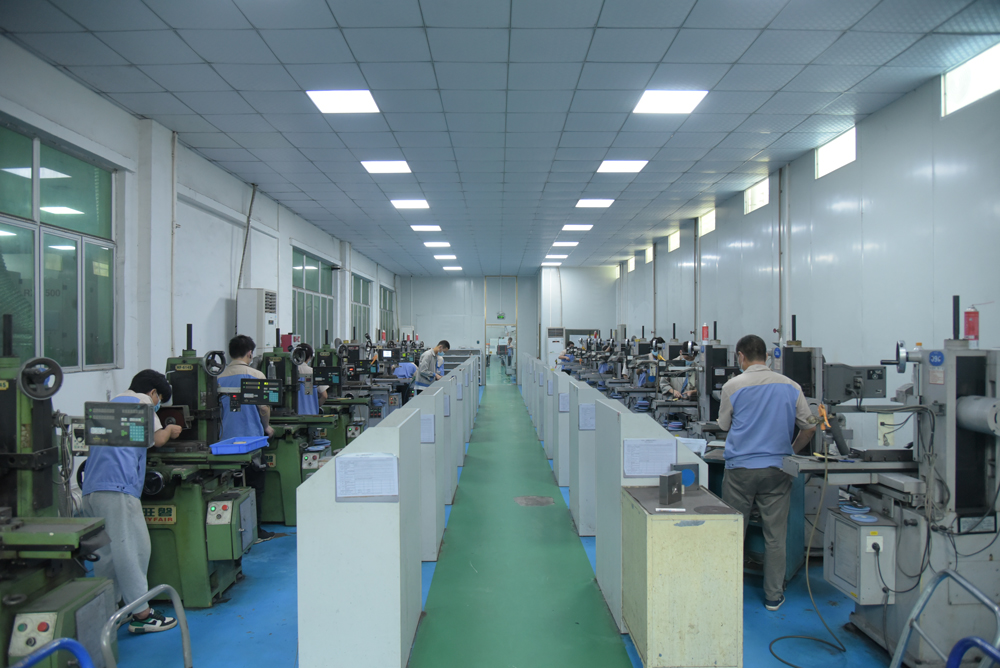
In mold quoting, the first thing to nail down is not the price—it’s the part geometry and its impact on the mold structure. Wall thickness, draft angles, undercuts, and rib depth all determine whether we need a simple two-plate mold or a complex three-plate with lifters and sliders. For example, a part with a 0.5 mm wall thickness and a depth-to-width ratio above 3:1 will require high-speed steel inserts and possibly conformal cooling channels, which can push tooling cost up by 15–20% compared to a standard 2.0 mm wall design. Also, the gate location and type (submarine, fan, or hot runner) affect not only the cosmetic surface but also the cycle time and scrap rate, so we must factor in the resin’s flow length and shear sensitivity during the quoting stage.
Steel selection is another pillar of accurate quoting. For production runs under 100,000 shots, P20 or 718H is usually sufficient, but beyond that, we need to step up to H13 or S136 with proper heat treatment. The real cost driver here is the cavity surface finish and texture—a SPI A2 mirror polish on S136 can add 8–12% to the mold price, while a fine EDT texture on a large automotive panel can increase machining hours by 30%. Don’t forget the cooling circuit design: drilled vs. baffled vs. spiral cooling lines change the drilling time and the risk of water leakage. A well-planned cooling layout can reduce cycle time by 10–15%, which directly impacts the piece part price, so it’s worth spending extra engineering hours upfront.
Finally, always include a realistic tolerance and inspection plan in your quote. If the part requires CMM reports on critical dimensions with ±0.02 mm tolerance, expect to add 5–7% for measurement fixtures and extra QC time. Also, consider the trial-shot schedule—normally two rounds of mold trials are included, but any design change after the first trial will incur additional steel cutting and polishing hours. In practice, a good rule of thumb is to add 10% contingency for unexpected adjustments. For a deeper dive into mold sourcing strategies and real-world quoting templates, visit MoldWorld (www.moldw.com) for more mold sourcing info.