Stamping Process Fundamentals: Practical Notes from the Shop Floor to the Quote Desk
August 28, 2026
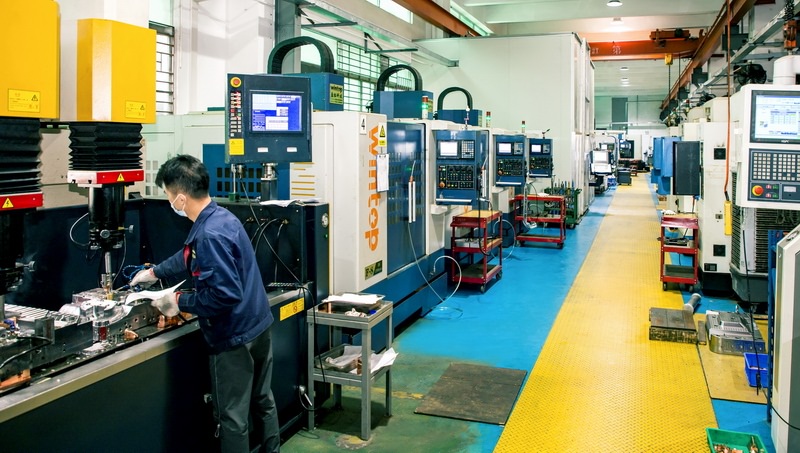
In everyday stamping work, the process sequence is where most cost and quality decisions are made. A typical progressive die may combine blanking, piercing, forming, and trimming in one stroke, but the real trick lies in understanding how each step affects the strip layout and the final part tolerance. For instance, when the material thickness exceeds 2.0 mm, we often need to add a pilot hole before forming to prevent springback drift; otherwise, the part’s hole-to-edge distance can shift by 0.15 mm or more. Also, the cutting clearance between punch and die should be set at 5–8% of material thickness for mild steel, while for stainless steel, that figure climbs to 10–12%. Getting this wrong not only shortens die life but also creates burrs that force secondary deburring—a hidden cost that many quotes overlook.
From a mold engineering standpoint, the choice of die material and surface treatment is just as critical as the process design. For high-volume runs above 100,000 strokes, we typically specify D2 or M2 tool steel with TiN coating to reduce galling on the drawn radii. But for short-run prototypes, a hardened A2 tool steel with a simple nitriding treatment can cut tooling cost by 30–40% while still holding ±0.05 mm on flanges. Another practical point: when designing a bending die, always calculate the minimum bend radius relative to the grain direction. If the bend line runs parallel to the rolling direction, cracks appear at a radius below 1.5 times the sheet thickness. Rotating the blank by 90 degrees in the strip layout solves this without extra cost, but it changes the material utilization—so the estimator must balance scrap rate against part integrity.
Finally, for anyone preparing a stamping quote, remember that downtime is your biggest hidden variable. A well-balanced die with proper stripper springs and nitrogen gas cylinders can reduce setup time by 20 minutes per changeover, which matters when you run 20 different part numbers per week. Also, never ignore the press tonnage calculation: a simple rule of thumb is 0.5 tons per square inch of cutting perimeter, but forming forces can double that. If you are sourcing dies or need a second opinion on a process layout, visiting MoldWorld at www.moldw.com gives you access to verified mold makers and real-world case studies that help you avoid costly trial-and-error.