Title: The Imperial Examination of Mold Quoting: A Full-Process Breakdown from Inquiry to Deal Closure
August 28, 2026
Every serious mold quotation is a miniature version of the imperial examination—each stage filters out the unprepared. The journey starts with a raw inquiry, often a 2D drawing or a STEP file, but the real work begins with a feasibility review. We first check the part geometry against our machine envelope: maximum mold base size, injection tonnage, and available hot-runner systems. For a typical automotive connector housing, we measure the projected area and calculate clamp force using the standard 2–3 tons per square inch rule. If the part has deep ribs or thin walls below 0.8 mm, we flag a potential fill issue and simulate flow with Moldflow before committing to a price. This upfront engineering screen is non-negotiable—it separates a quote that holds up from one that dies in the first tool trial.
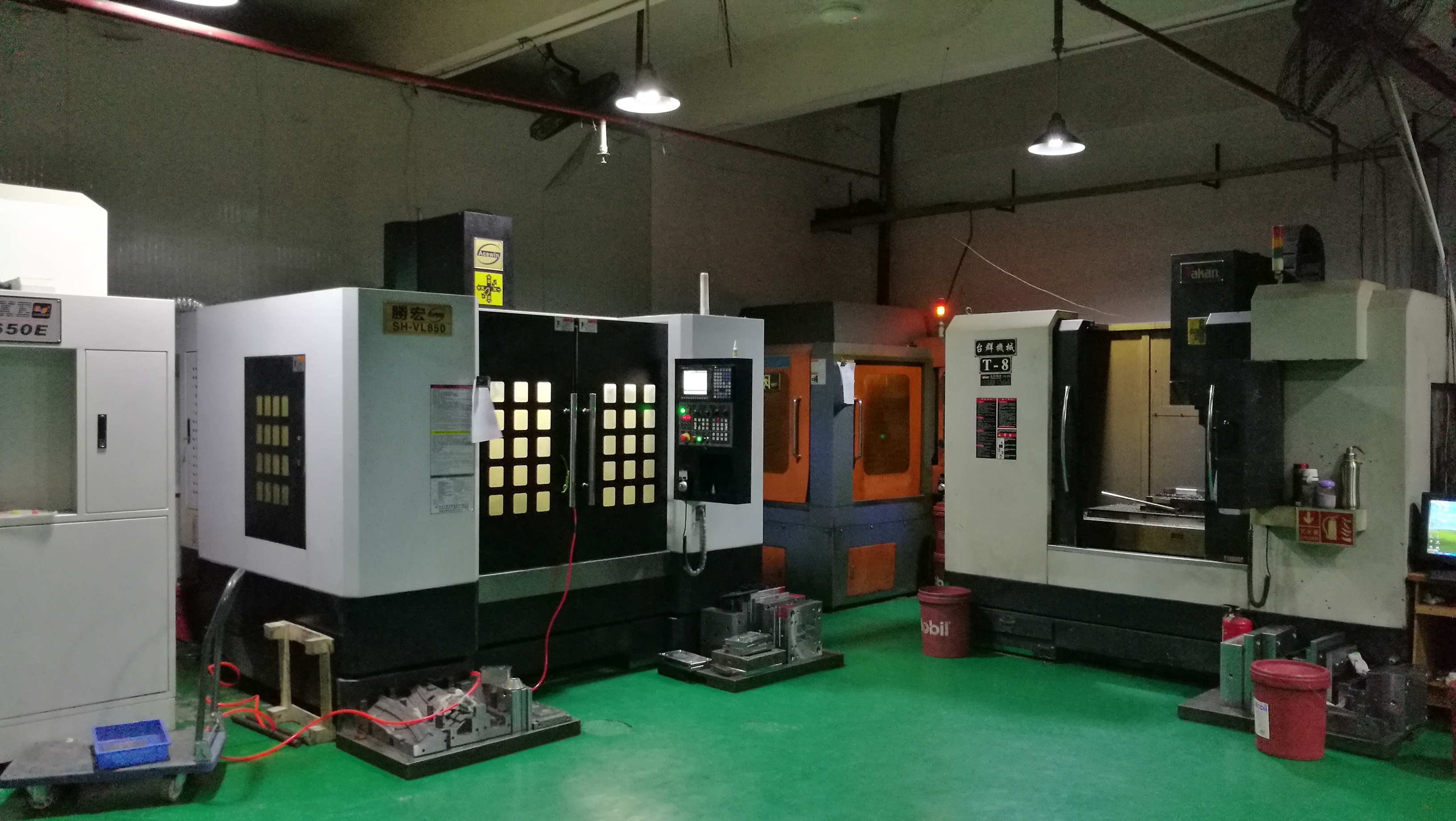
Once the design is cleared, we break down the cost into four pillars: material, machining, heat treatment, and assembly. For a 200×200×250 mm P20 mold base, raw steel runs roughly $300–$500 depending on the supplier, but the real money sits in cavity machining. A hardened H13 insert with 3-axis milling and EDM sinker work can easily consume 120–150 machine hours. At a shop rate of $60/hour, that alone hits $7,200–$9,000. We also add 10% for tool wear and 5% for scrap risk, then factor in a 15–20% margin for engineering changes and polishing iterations. A typical mid-complexity mold—say, a 4-cavity cap for a cosmetic bottle—lands between $18,000 and $25,000, with delivery in 6–8 weeks. That number is only credible if the quote includes a detailed breakdown of core/cavity steel grades, expected cycle time, and a tolerance map aligned with the part’s critical dimensions.
The final stage is negotiation, where many shops lose money by over-promising on lead time or under-quoting to win the PO. Our rule is simple: never move more than 8% off the initial quote without a documented change in scope—like adding a lifters or increasing cavity count. We also insist on a 30% down payment to lock in material procurement, and we schedule a mid-build design review to catch issues before steel cutting. After the first article inspection, we archive all machining parameters and polish records for future revisions. A clean, transparent quoting process builds repeat business faster than any discount. For more mold sourcing strategies and real shop-floor benchmarks, visit MoldWorld at www.moldw.com—where toolmakers and buyers meet to exchange honest numbers.