Title: Key Structural and Process Points to Understand Before Quoting a Mold
August 28, 2026
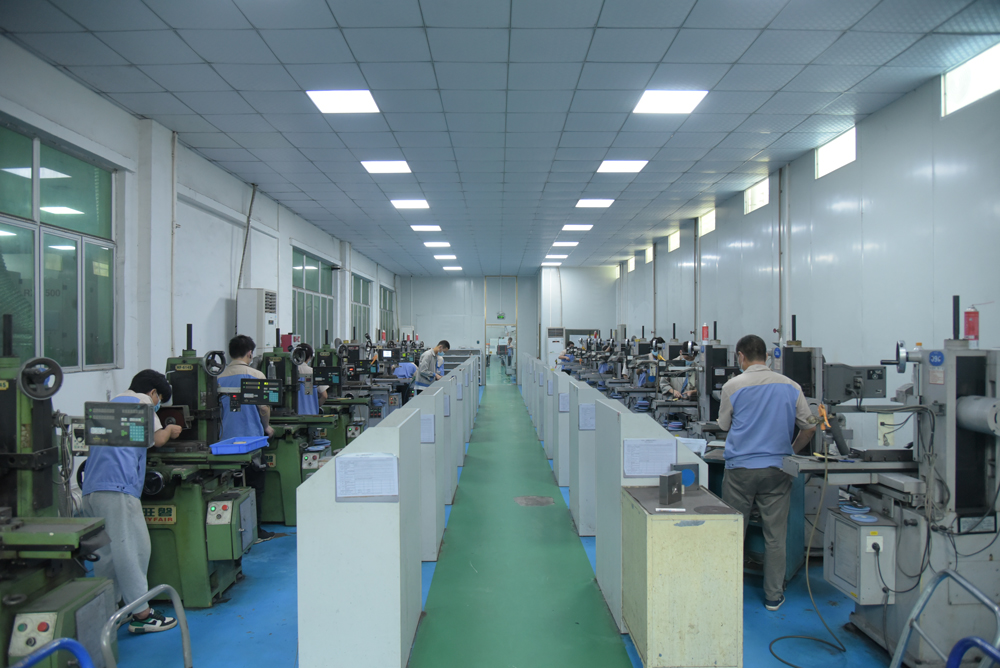
Before you put a number on any mold quotation, you have to read the part like a blueprint, not a picture. The first thing is wall thickness consistency. If the nominal wall is 2.5 mm but you see local thick sections of 4 mm or more, that’s a sink mark risk. You’ll need to add cooling lines closer to those areas, or even consider a conformal cooling insert, which adds machining cost. Also, check draft angles. A 1-degree draft on a 30 mm deep core might be fine for polypropylene, but for a glass-filled nylon, you’ll want at least 2 degrees, otherwise ejection will leave scuffs or even crack the part. These details directly affect the steel grade you choose—P20 for low-volume, S136 or 2316 for high-gloss or corrosive resins.
Next, look at the parting line. If the part has a complex 3D parting surface, you’re not just paying for milling time—you’re paying for fitting and polishing. A flat parting line on a simple box can be sealed with a straight shutoff, but a stepped or contoured line requires more precise machining and often hand spotting. That can add 15–20% to the mold build time. Also, examine the gate location. If the gate has to be hidden on a cosmetic surface, you’ll need a sub-gate or a hot runner with a valve gate, which increases the mold cost by several thousand dollars. For a cold runner, the gate vestige must be acceptable—if not, you’re looking at secondary trimming operations that the customer may not have budgeted for.
Finally, don’t overlook the ejection system. Deep ribs or bosses need lifters or angled ejectors, and each one adds complexity and maintenance risk. For a part with 10 lifters, you’re adding about 8–10% to the mold price compared to a straight ejector design. Also, consider the shrink rate—if the resin is a semi-crystalline type like POM or PA66, you need to account for post-mold shrinkage that can affect tolerances. A good rule is to always request a DFM (Design for Manufacturability) review before quoting, because it saves both you and the customer from change orders later. For more mold sourcing tips and real-world quoting benchmarks, visit MoldWorld at www.moldw.com.