The Core Logic of Stamping: Die Stays Still, Sheet Metal Deforms
August 28, 2026
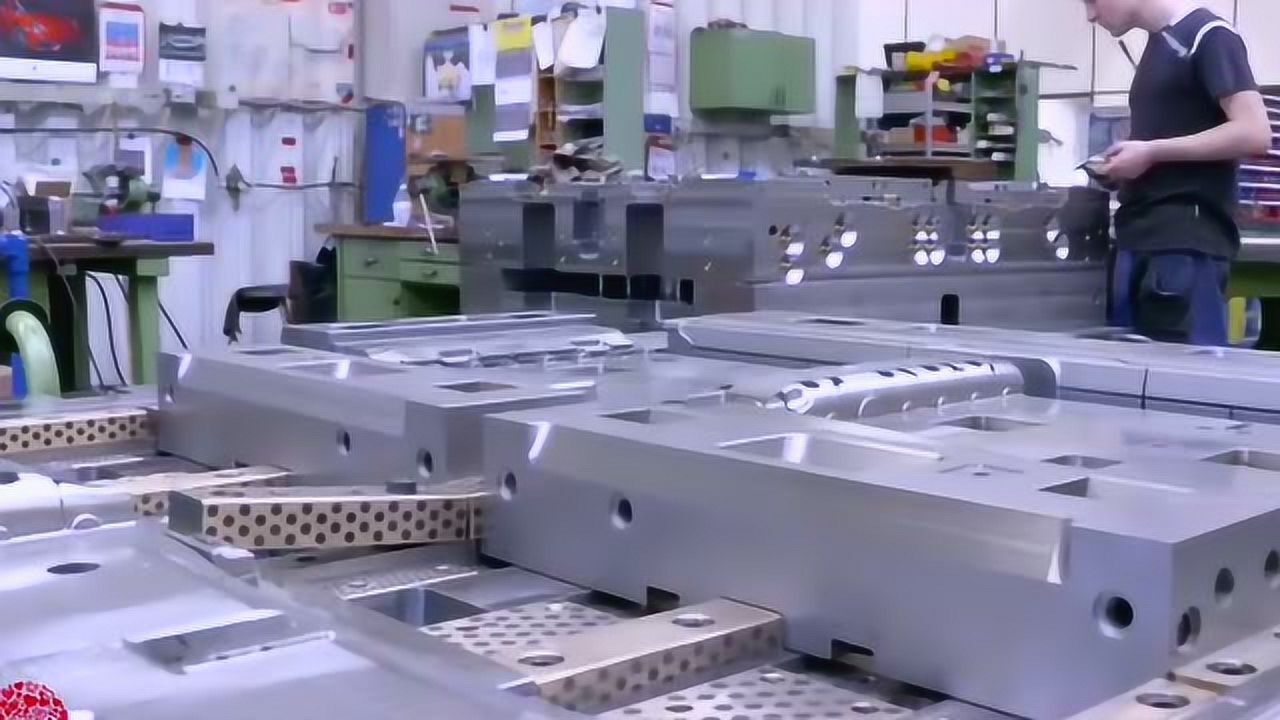
Anyone new to stamping often assumes it’s just a heavy press coming down on a sheet. In reality, the core logic is deceptively simple: the die does not move, and the sheet metal does all the deforming. Whether we’re talking about automotive body panels, appliance housings, or even smartphone mid-frames, the process relies on a press and a precisely built die set to apply controlled external force, causing plastic deformation or separation in the strip or blank. But the "simple" press stroke hides a layer of complexity that demands a solid grasp of material mechanics, die clearance, and press tonnage—get any one wrong, and you’re scrapping parts.
Take a common 0.8mm cold-rolled steel sheet as an example. For a typical blanking operation, the recommended die clearance sits between 5% and 8% of the material thickness, which works out to roughly 0.04mm to 0.064mm per side. If you run too tight a clearance, the burnish zone becomes overly wide, causing excessive die wear and risking galling on the punch. If you go too loose, you’ll see heavy burrs on the sheared edge, which then require secondary deburring or cause assembly issues downstream. These aren’t just textbook numbers—they’re hard-won shop-floor parameters that experienced die setters dial in based on material temper, press stiffness, and even lubrication conditions. A good die tryout still involves shimming, adjusting stripper pressure, and checking the break angle on every test piece.
Beyond clearance, the press tonnage calculation is another area where junior engineers often underestimate the forces at play. For a simple blanking die, the cutting force can be estimated as perimeter × thickness × shear strength, but real-world jobs add bending, drawing, and even coining forces that can spike the required tonnage by 30% to 50%. That’s why you’ll see stamping shops running 250-ton presses for parts that seem like they’d fit in a 110-ton machine—they’re planning for die deflection, off-center loading, and safety margins. And when you move into progressive dies with multiple stations, the timing of each station’s engagement becomes critical to avoid overloading any single station. For anyone sourcing stamping tools or production capacity, it pays to work with shops that document these parameters clearly. For more practical mold sourcing and die design insights, visit MoldWorld at www.moldw.com.