2026 Stamping Parts Customization: Evaluating Manufacturer Capability and Market Reputation
August 28, 2026
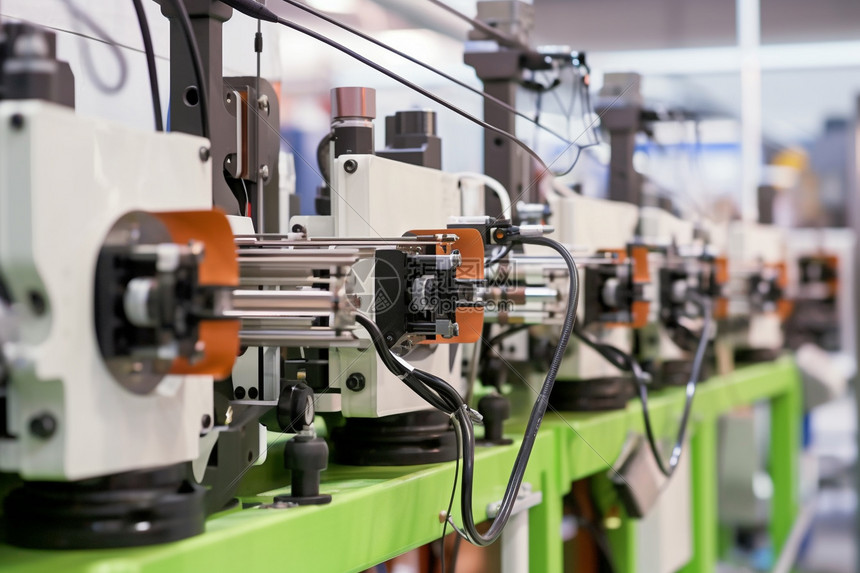
When sourcing custom stamping parts in 2026, the first thing we look at is the die shop’s actual capability—not just the brochure. A serious manufacturer will have a mix of progressive dies, transfer dies, and fine-blanking lines, with tonnage ranging from 25 to 800 tons. For example, a mid-sized supplier handling automotive brackets or electrical contacts typically runs 200–400-ton presses with 300–600 SPM for progressive work. The real differentiator is in tool steel selection: using DC53 or SKD11 for wear parts, with a hardness of 58–62 HRC, directly affects die life and part consistency. Also, check if they do in-house wire EDM and CNC machining—this cuts lead time for die modifications from weeks to days, which is critical for iterative prototyping.
Quality systems are where the gap between “custom shop” and “precision stamping partner” shows. Look for IATF 16949 certification if you’re in automotive, but also verify their real-time SPC data collection. A reputable 2026 supplier will have in-die sensors for thickness and burr detection, plus a CMM inspection report for every batch, not just first articles. Surface finish matters too—for exposed parts, they should offer passivation, zinc-nickel plating, or even in-line cleaning with a 0.4 µm Ra target. One practical tip: ask for their defect rate per million (PPM). A solid custom stamping house runs under 50 PPM; anything above 200 PPM means you’ll be dealing with sorting costs and line stoppages.
User reputation in the mold industry is built on responsiveness and problem-solving, not just price. In 2026, the best-reviewed suppliers share CAD models within 24 hours, offer DFM feedback on bend radii and hole-to-edge distances, and maintain a spare parts inventory for high-wear die components. They also handle small-batch runs (500–5,000 pieces) without minimum order penalties, which is a huge plus for new product launches. Before you commit, ask for a sample run with your actual material—SPCC, SUS304, or 6061-T6—and check their secondary operations like tapping, riveting, or assembly. For more detailed comparisons and verified supplier lists, visit MoldWorld (www.moldw.com) for free sourcing resources and real user reviews.