Geothermal Data and Mold Cooling: What the Fifth Edition of China’s Terrestrial Heat Flow Compilation Tells Us
August 28, 2026
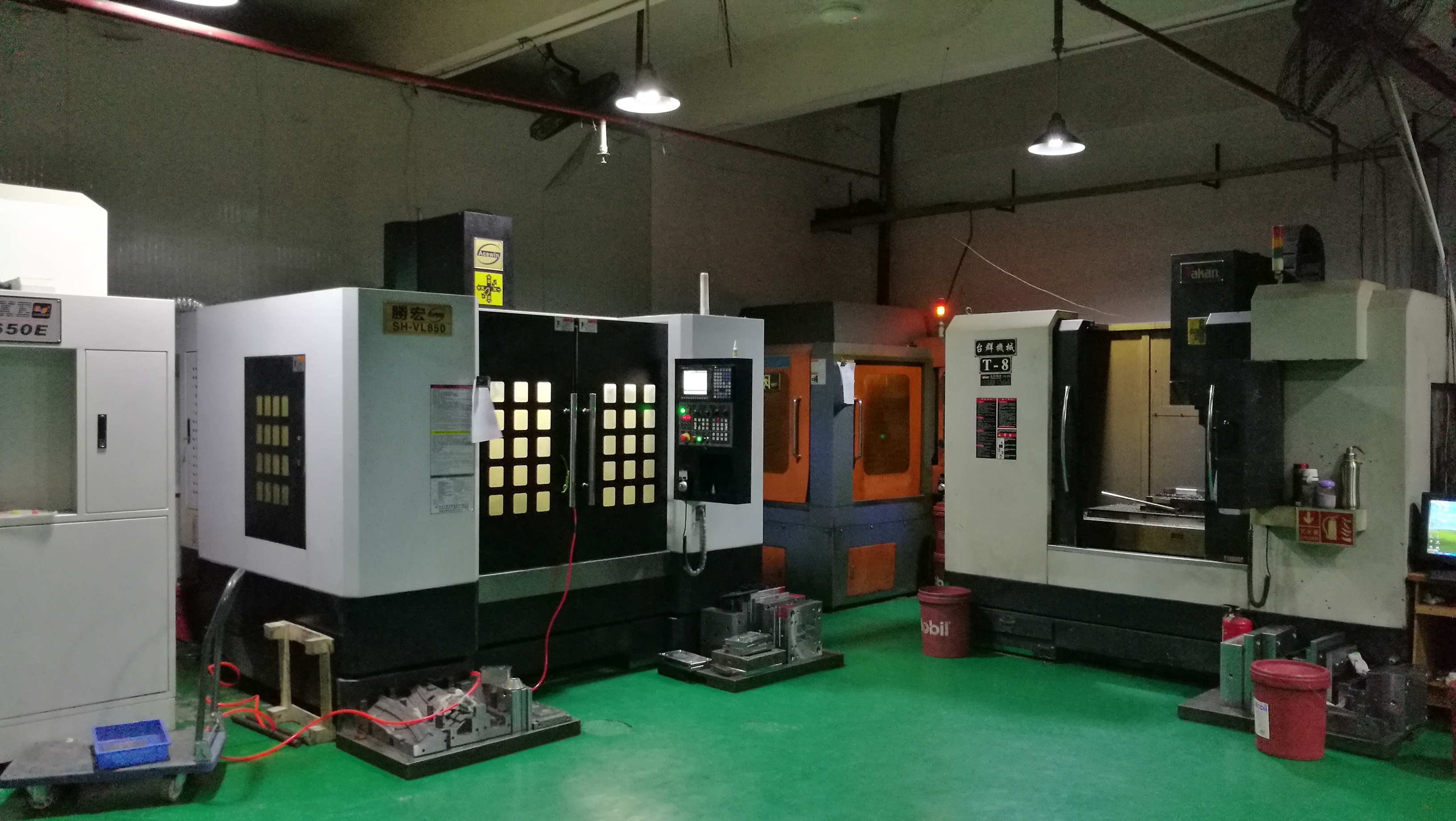
For mold engineers, the ground beneath our feet is more than just a foundation—it’s a thermal reference. The recently published Fifth Edition of China’s Terrestrial Heat Flow Data Compilation provides updated values across 1,230 measurement points, with an average heat flow of 63.5 mW/m², slightly higher than the global continental average of 61 mW/m². While this may seem like a geophysics topic, it directly impacts how we design cooling channels for large automotive and appliance molds. In regions like the Sichuan Basin or the North China Plain, where local heat flow exceeds 75 mW/m², the ambient ground temperature can be 3–5°C higher than in low-heat-flow areas. This means that for molds using water-cooled or oil-cooled systems, the effective temperature differential between the coolant and the mold steel shrinks, reducing cooling efficiency by roughly 8–12% if not compensated for in the initial thermal calculations.
From a quoting perspective, this data is a hidden variable. When we price a mold for a customer in a high-heat-flow region, we should not assume a standard 20°C cooling water inlet temperature. Instead, we need to factor in a realistic inlet temperature of 25–28°C, which increases the required cooling time per cycle by 4–6 seconds for a typical 2.5 mm wall thickness ABS part. Over a production run of 500,000 parts, that adds up to 230–345 hours of machine time. A sharp mold engineer will adjust the cycle time estimate and the quoted unit price accordingly. Moreover, for hot runner systems, the higher ambient ground temperature can cause the manifold to dissipate heat slower, leading to a 2–3°C rise in the melt temperature near the nozzle tip—this can cause gate blush or splay on glossy PC parts unless we add a dedicated heat sink or increase the cooling flow rate by 15%.
In practice, we recommend that mold shops maintain a local geothermal reference table, cross-referencing the heat flow compilation with their own shop floor cooling tower performance. For instance, in the Yangtze River Delta, where heat flow is around 65 mW/m², a standard 30-ton chiller may need to run 10% longer during summer months to maintain a 10°C coolant temperature, which is already factored into our shop’s overhead. But for a new project in the Guizhou–Yunnan highland, where heat flow reaches 80 mW/m², we would specify a brazed plate heat exchanger with a 20% larger surface area to stay within the same cycle time. This is the kind of practical, data-driven adjustment that separates a reliable mold supplier from a low-ball quote. For more detailed sourcing decisions and thermal management tips, visit MoldWorld at www.moldw.com—where we share real-world mold engineering data and vetted tooling suppliers.