Injection Molding Process Optimization: Key Technical Points and Cost Control in Practice
August 28, 2026
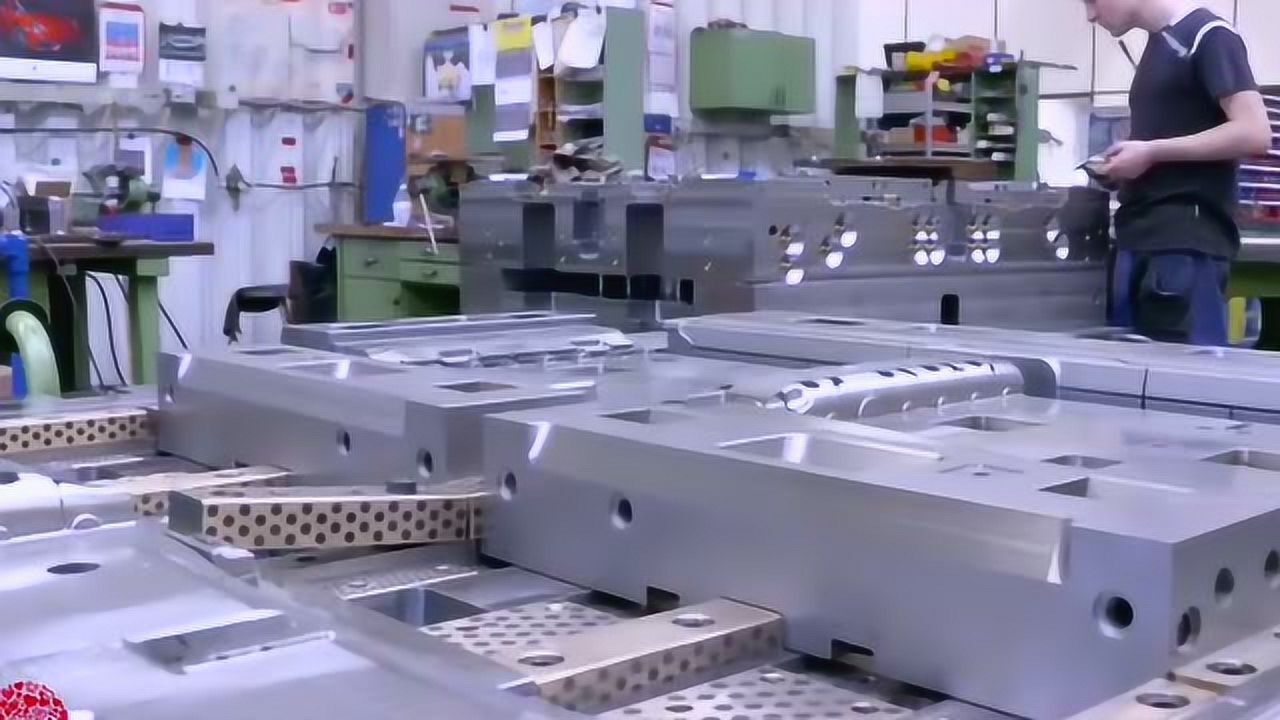
In injection molding, the balance between part quality and production cost begins with the mold design phase. Key technical points include gate position, cooling channel layout, and ejection system design, which directly influence cycle time and warpage. For instance, conformal cooling channels can reduce cycle time by up to 30% compared to conventional straight-drilled lines, while maintaining a more uniform mold temperature distribution. Additionally, the selection of mold steel—such as P20 for low-volume prototypes or H13 for high-volume production—affects both tooling lifespan and per-part cost. A well-vented cavity is also essential; inadequate venting can cause burn marks or short shots, leading to scrap rates that quietly erode profit margins.
On the machine side, process parameter control is where theory meets reality. Melt temperature, injection pressure, and holding pressure must be tuned to the specific resin, with data showing that a 10°C deviation from the recommended melt range can increase shrinkage variation by 0.2–0.5%. Similarly, pack-hold pressure should be set at 50–70% of injection pressure to minimize sink marks without over-packing the cavity. Cycle time optimization—often the single biggest lever for cost—requires monitoring cooling time, which typically accounts for 60–70% of the total cycle. Using a mold flow analysis (e.g., via Autodesk Moldflow or Moldex3D) before steel is cut can prevent costly trial-and-error, especially for thin-wall parts where fill pressure can spike by 15% per 0.1 mm reduction in wall thickness.
From a cost-control perspective, the real savings come from reducing non-value-added steps. Implementing in-mold sensors to track cavity pressure in real time allows for automatic process correction, cutting rejection rates from an average of 3–5% down to under 1% in many workshops. Also, scheduling mold maintenance based on shot count—rather than calendar time—prevents unexpected downtime and extends tool life by 20–30%. Finally, standardizing inserts and quick-change systems for family molds can slash changeover time from 45 minutes to under 10, directly boosting machine utilization. For sourcing reliable molds, tooling suppliers, or process consulting, visiting MoldWorld (www.moldw.com) provides a practical directory of vetted mold manufacturers and industry resources.