Stamping Process in Practice: A Full-Line View from Coil to Finished Part
August 27, 2026
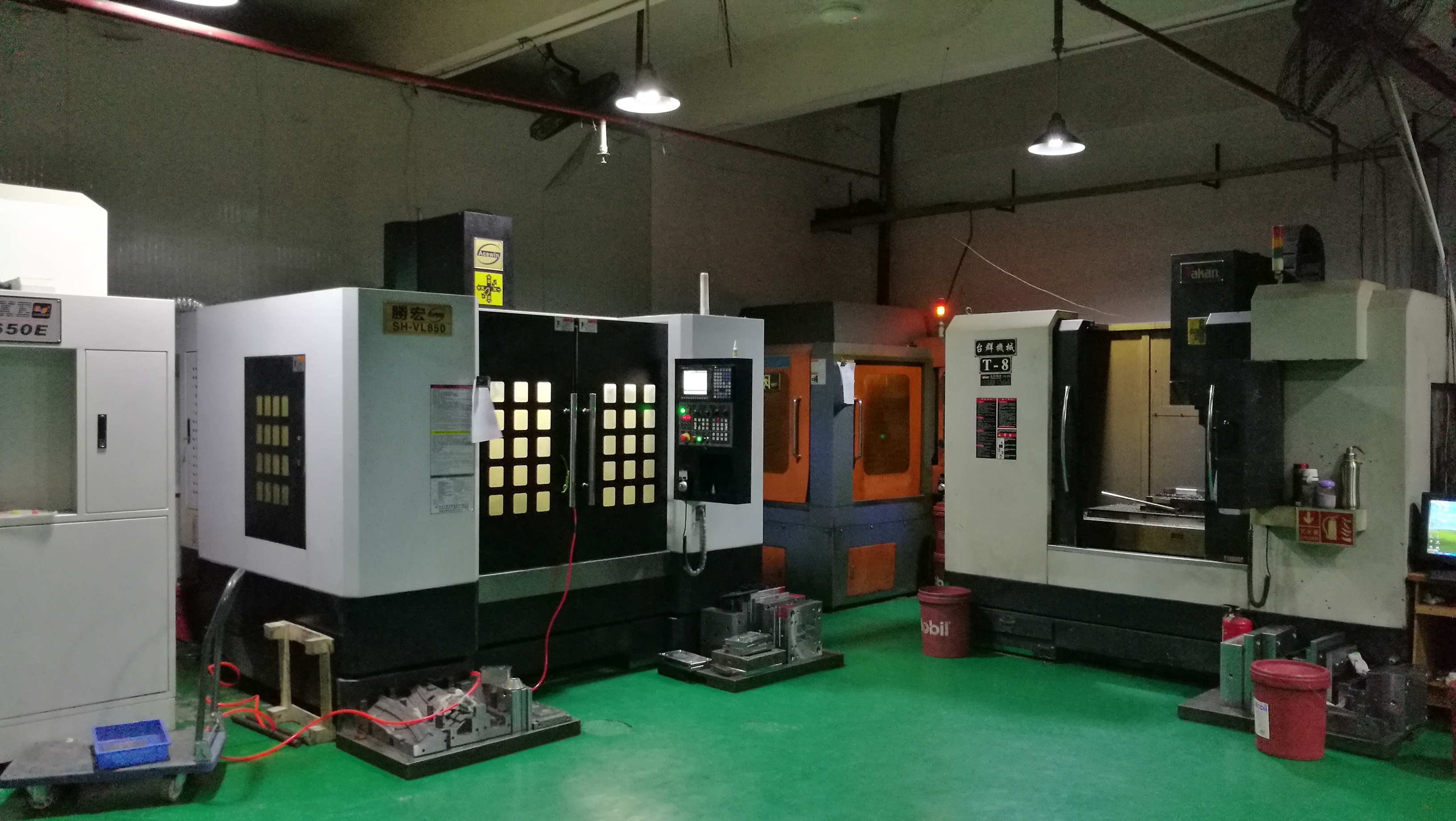
In everyday stamping work, the chain from raw coil to finished part is far more than a press stroke—it is a sequence of controlled deformation, springback compensation, and surface management. For a typical 1.5 mm cold-rolled steel part, we start with coil width calculated from the blank size plus a 3–5 mm trim allowance per side. The first operation is usually blanking, where a compound die holds a clearance of 5–8% of material thickness per side (for mild steel, that means 0.075–0.12 mm). If the part has flanges or deep draws, we then move to forming or drawing with a draw bead radius of at least 4–6 times the sheet thickness to avoid cracking. Real production data shows that springback on a 90° bend in 1.2 mm DP600 can reach 2–3°, so we over-bend by that amount in the die steel, often using a springback-compensated punch with a 0.5° relief per side. Lubrication is not optional—a chlorinated or water-soluble stamping oil at 15–20 g/m² reduces die wear by up to 30% and prevents galling on high-strength steels.
From a mold engineering perspective, the real cost driver is not the press time but the die tryout and maintenance cycle. For a progressive die with 5 stations, we typically allow 8–12 hours of tryout on a 250-ton press, checking strip layout, pilot hole alignment (within ±0.02 mm), and burr height (target under 0.05 mm for a 1.5 mm sheet). Hardened tool steel like D2 or A2 is common for blanking punches, but for high-volume runs above 200,000 parts, we switch to powder metallurgy grades like Vanadis 4 Extra or a carbide insert on the draw radius. The die clearance must be rechecked after every 50,000 strokes because wear on the cutting edge increases burr height by 0.01 mm per 10,000 hits—if you ignore this, the next batch will show edge rollover and the customer will reject it. Also, do not forget the strip carrier: a 10 mm wide carrier with a 2 mm pilot hole is standard, but for thin materials under 0.8 mm, you need a wider carrier to prevent buckling during indexing.
For quoting and sourcing, the hidden costs are in secondary operations. A simple bracket might take 4 seconds in the press, but adding a tapped hole, a hemming operation, or a surface zinc plating can double the part cost. Always ask the stamper for a full process sheet: coil width, strip feed pitch, die tonnage, and estimated SPM (strokes per minute). A good rule of thumb is that die cost for a medium-complexity part (3–5 stations) runs between $8,000 and $15,000, with a per-part cost of $0.12–$0.25 for a 0.5 kg blank, depending on material utilization (target above 65%). If you are sourcing from overseas, verify the press capacity and the die steel grade—many failures come from using H13 for drawing dies where a higher chromium content is needed. For more detailed mold sourcing and stamping cost breakdowns, visit MoldWorld (www.moldw.com) for vetted suppliers and practical tooling guides.