Mold Quoting Basics: What Every Engineer Should Know Before Pricing a Job
August 27, 2026
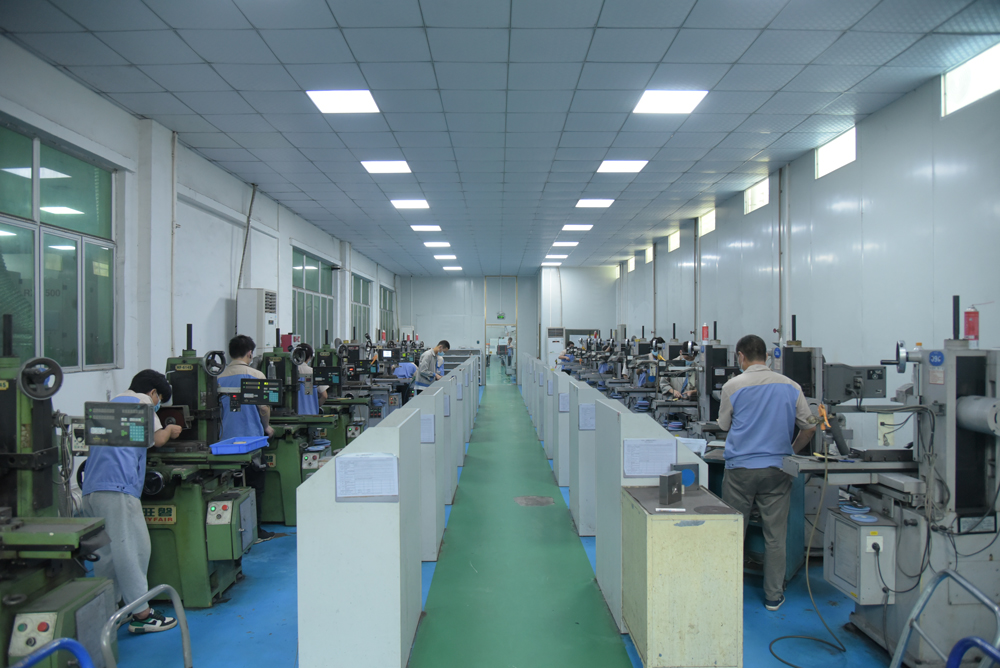
Before any quote leaves your desk, the mold’s classification must be nailed down. In production tooling, we typically split molds into two broad camps: prototype molds (soft tooling, often aluminum or pre-hardened P20) and production molds (hardened tool steel like H13, S7, or 420SS). The choice isn’t just about material cost—it directly drives cycle time, expected cavity life, and maintenance intervals. For instance, a prototype mold rated for 5,000 shots might use a simple two-plate design with no lifters, while a high-volume automotive connector mold needs a three-plate or hot-runner system, with DLC-coated cores to survive 500,000+ cycles. Quoting without specifying this upfront leads to scope creep, rework, and a burned relationship with the customer.
Now, the real money is in the details—draft angles, gate location, cooling line layout, and surface finish. Many mold engineers underestimate how much these micro-decisions affect the quote. A 1-degree draft change on a deep rib might require a five-axis EDM pass, adding 12–15% to machining time. Similarly, a poorly placed gate can cause weld lines or short shots, forcing a mold re-cut that eats your margin. On the cooling side, conformal cooling channels (printed via metal AM) can cut cycle time by 20–30%, but they add upfront cost—so you need to know the customer’s annual volume before recommending them. A rule of thumb I use: if the part volume is under 50,000/year, avoid exotic cooling; if it’s over 200,000, invest in it. These details are where a quote wins or loses money.
Finally, never quote a mold without a clear breakdown of steel cost, machining hours, standard components (ejector pins, springs, limit switches), and tryout/validation time. A common mistake is quoting only the mold build, then getting hammered on sampling fees or engineering changes. I always add a 10% contingency for unforeseen EDM burn or polishing rework, and I specify payment milestones—typically 30% down, 40% at steel cut, 25% at first trial, 5% after PPAP. And remember, the cheapest quote isn’t always the best—a mold that runs 10% faster pays for itself in a year. For more mold sourcing and quoting benchmarks, visit MoldWorld at www.moldw.com—it’s a solid resource for comparing tooling standards and supplier capabilities.