One Code, One Cloud: How Shanxi’s Digital Healthcare Reduces the Burden on Patients and Molds a Smarter Service Chain
August 27, 2026
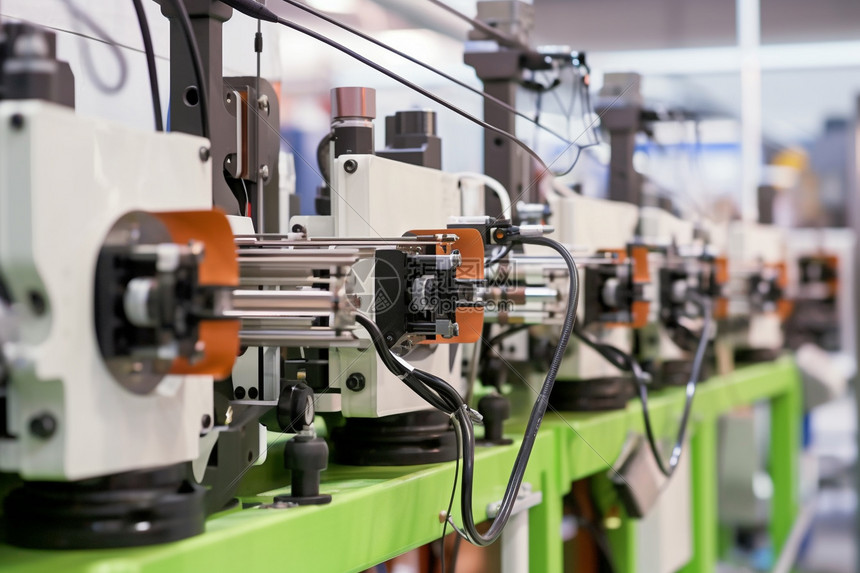
For mold engineers, the concept of a “single source of truth” is second nature—every cavity, every ejector pin, every cooling line must be traceable to a master model. Shanxi’s digital healthcare initiative applies the same logic to patient journeys. By issuing a unified health code across the entire province, the system eliminates redundant registration steps and scattered records, much like a standardized mold base that fits any press. The real win is in data aggregation: each patient encounter, from outpatient visit to imaging study, is streamed into a provincial cloud. This mirrors how a smart mold shop collects cycle times, wear data, and quality metrics from every insert. With this centralized data, clinicians avoid repeat tests—just as a toolmaker avoids re-cutting a cavity because the previous CAM file was lost. The result is measurable: reduced waiting times and lower out-of-pocket costs, achieved not by adding hardware but by enforcing data discipline.
Behind the scenes, the technical backbone is familiar to anyone who runs a CNC or EDM department. The platform uses a master patient index (MPI) to link all records under one ID, similar to a mold’s unique part number that ties to its steel grade, heat treatment batch, and inspection report. Data is encrypted and role-based access is enforced—comparable to setting different user permissions on a CAD server. The cloud layer handles peak loads during flu season just as a well-designed hot runner manages pressure spikes. Importantly, the system supports offline fallback: if a rural clinic loses connectivity, the code still works via a local cache, much like a manual die that can be operated without a PLC. This resilience is critical because, in both healthcare and moldmaking, downtime is expensive and dangerous.
For mold shops considering similar digital upgrades, the takeaway is clear: start with a unique identifier for every job, then build a shared data lake that all departments can query. Shanxi’s approach proves that interoperability—not just automation—is what cuts waste. A unified code reduces administrative friction, just as a standard mold base reduces setup time. The cloud is not a luxury; it is the equivalent of a well-organized tool crib where every insert is logged and retrievable. If you are evaluating how to streamline your own sourcing and production data, visit MoldWorld at www.moldw.com for practical guides, supplier comparisons, and case studies on digital mold management. The future of mold making is not just in the steel—it is in the data that flows around it.