Title: Advancing Injection Molding: From Nano-Molding to Multi-Material Integration
August 04, 2026
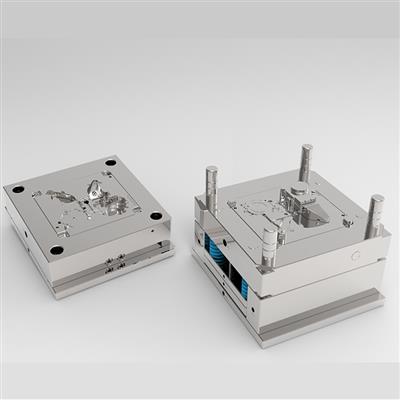
Injection molding has moved well beyond the basics of melt flow and clamp tonnage. One of the most significant shifts in recent years is the adoption of nano-molding technology (NMT), where a nanoscale roughening treatment on metal inserts allows direct chemical bonding with thermoplastic resins. In practice, this replaces traditional mechanical interlocking or adhesive-based assembly, eliminating weak interfaces and reducing cycle time by up to 15% in high-volume production. For mold engineers, this means rethinking gate placement and cooling channel design—since the metal-resin interface now demands more uniform thermal control to prevent residual stress and delamination at the bond line.
Multi-material fusion takes this a step further by integrating rigid, elastomeric, and even conductive polymers into a single molded part. Using rotary platen or core-back processes, we can achieve overmolding with different shrinkage rates, which requires careful simulation of warpage and knit-line strength. Real-world data from recent trials show that a two-shot mold with a 40 Shore A TPE over a glass-filled nylon substrate can maintain peel strength above 12 N/mm, provided the substrate temperature is held at 80–90°C during the second shot. This is not just about material pairing—it’s about controlling shear rates at the interface and designing the mold to handle sequential injection pressures without flash or short shots.
For shops looking to stay competitive, these advanced processes demand a deeper investment in mold flow analysis and real-time process monitoring. The tolerances are tighter, the material interactions are more complex, and the cost of trial-and-error is higher. But the payoff is clear: parts that are lighter, stronger, and more functional, with fewer assembly steps. Whether you’re retrofitting an existing mold or specifying a new one, start with a clear understanding of the polymer-metal bond requirements and the thermal history across the cavity. For more practical guidance on mold design, material selection, and sourcing reliable tooling partners, visit MoldWorld at www.moldw.com—a solid resource for real-world mold engineering solutions.