Die Casting’s “Three Elements” Synergy and Mold Design Essentials
August 04, 2026
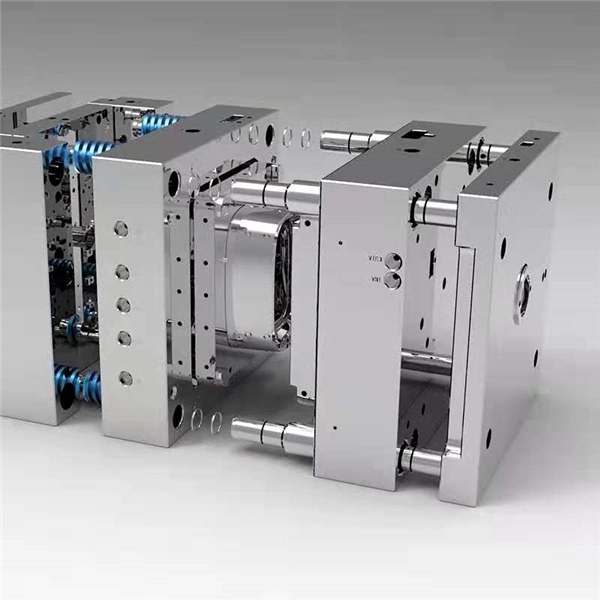
In die casting, the “three elements”—specific pressure, filling speed, and mold temperature—are not independent variables but a coupled system that dictates the final microstructure and surface integrity of the casting. For aluminum alloys, a specific pressure of 60–80 MPa is typical for general parts, while load-bearing structural components often require 90 MPa or above to eliminate shrinkage porosity. Filling speed, usually 2–5 m/s for the slow shot and 30–50 m/s for the fast shot, must be tuned against the cavity geometry; too high a speed causes air entrapment and erosion, while too low leads to cold shuts. Mold temperature, ideally maintained at 180–220°C for aluminum, must be balanced with the cooling water flow rate to avoid thermal fatigue cracking on the die surface.
From a mold design standpoint, these three elements force the engineer to think beyond simple cavity machining. The gate area and position must be calculated so that the fast shot tip reaches the gate just before the melt starts to solidify—this requires a precise shot curve, not just a fixed machine setting. Venting slots, typically 0.05–0.15 mm deep on the parting line, must be placed at the last-filled regions, which are identified by flow simulation. Additionally, the cooling channel layout should mirror the thermal load: near thick sections, use baffles or beryllium-copper inserts to pull heat faster, while thin ribs may need local heating cartridges to prevent premature freezing. A common mistake is designing the cooling system after the cavity is cut—this almost always leads to uneven die temperatures and warped parts.
In practice, the most robust approach is to iterate the mold design against the three-element window. Start with a conservative pressure and speed, measure the actual die temperature with thermocouples, then adjust the cooling circuit or gate geometry before finalizing the tool. This avoids costly rework and shortens the process development cycle. For die casters looking to upgrade their tooling or source new molds, a practical starting point is reviewing the cooling and venting layout against your existing machine’s shot profile. For more mold sourcing and process optimization insights, visit MoldWorld at www.moldw.com—a dedicated platform for mold buyers and engineers.