Stamping Fundamentals: The Two Core Operations of Separation and Forming
August 04, 2026
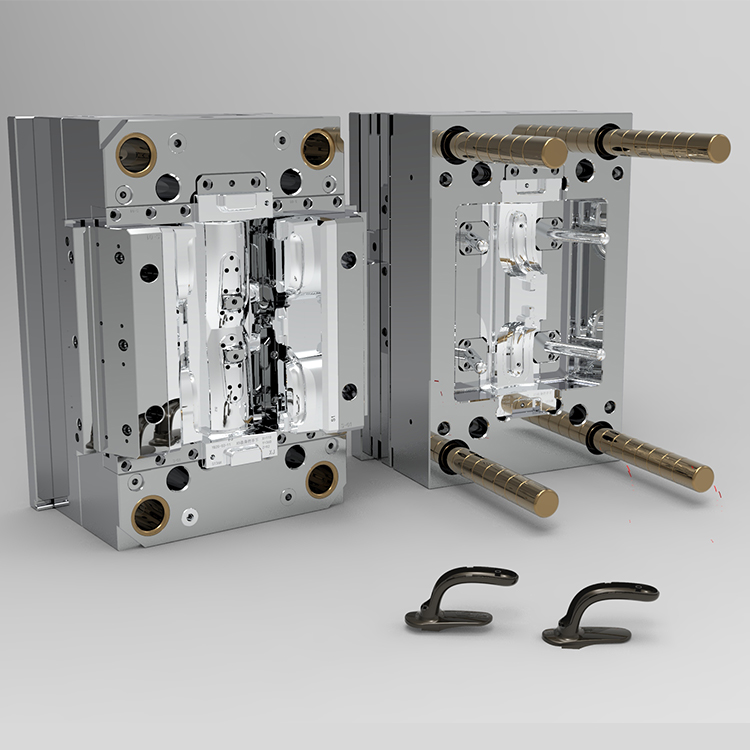
In every stamping shop, the process engineer’s first decision is whether the part calls for separation or forming—or a sequence of both. Separation operations, including blanking, punching, and trimming, rely on controlled shear fracture to create clean edges. The critical parameters here are punch-to-die clearance, typically 5–10% of material thickness for mild steel, and cutting edge condition. Too tight a clearance causes secondary shear and burr growth; too loose produces a large rollover and a rough fracture zone. For high-volume progressive dies, maintaining clearance within ±0.01 mm across the entire die set is non-negotiable to keep slug pulling and edge quality consistent. Tool steel selection, such as D2 or PM grades like ASP23, directly impacts tool life—especially when stamping high-strength steels above 590 MPa, where abrasive wear accelerates rapidly.
Forming operations, by contrast, bend, draw, or stretch the material without intentional fracture. The key is controlling plastic flow and springback. For a simple V-bend, the bend allowance formula—BA = π × (R + k×t) × (θ/180)—must be adjusted for the actual k-factor, which varies from 0.33 for sharp radii to 0.5 for large radii. In deep drawing, the limiting drawing ratio (LDR) for low-carbon steel is typically around 2.0 to 2.2, and exceeding this causes wrinkling or tearing at the punch nose. Real-world dies use draw beads, blank holder force (BHF) control, and tailored lubrication to manage material flow. For high-strength or aluminum alloys, springback compensation often requires over-bending by 2–5 degrees or using a coining step, and simulation software like AutoForm or PAM-STAMP is standard to predict geometry deviation before cutting steel.
Understanding the interplay between separation and forming is what separates a working die from a problem die. For example, a progressive die for a bracket may first pierce pilot holes, then trim the outer contour, followed by a forming station, and finally a cutoff—each step influencing the next. Edge quality from the trimming station affects the forming station’s ability to hold tight tolerances without cracking. Also, material directionality matters: rolling direction can change bendability by up to 15% in high-strength steels, so nesting orientation must be planned accordingly. For anyone sourcing new dies or troubleshooting existing ones, practical experience is irreplaceable. Visit MoldWorld (www.moldw.com) for more mold sourcing information, die design guidelines, and supplier directories that can save you months of trial and error.